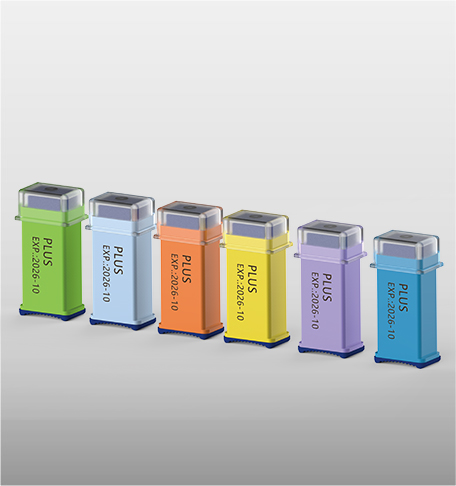
Capillary blood sampling frequently serves as a cornerstone of modern diagnostic procedures. While individuals primarily associate these tools with daily metabolism management, their application spectrum typically extends much further. Various clinical disciplines often rely on a precise puncture to acquire adequate micro-volume samples for extensive laboratory analyses.
Exploring the broader utility of these clinical devices may help procurement teams optimize inventory. Understanding diverse medical applications generally allows healthcare administrators to choose versatile equipment capable of meeting multiple departmental requirements efficiently.
Neonatal Screening and Infant Care
Maternity wards frequently utilize these tools for newborn screening protocols. Medical professionals generally perform heel sticks to test infants for congenital conditions. This minimally invasive approach usually provides sufficient sample volumes without causing excessive trauma to the infant.
Selecting the appropriate penetration depth often remains crucial when treating delicate neonatal skin. Devices engineered specifically for infants typically help maintain a shallow incision, which generally prevents potential damage to underlying bone structures while securing diagnostic fluid.
Coagulation and Hemoglobin Assessments
Point-of-care coagulation clinics regularly depend on capillary blood to monitor patients utilizing anticoagulant therapies. Rapid PT/INR monitoring systems typically require a small droplet to assess how quickly a patient’s blood clots. This routine checking generally helps clinicians adjust medication dosages effectively over time.
Similarly, blood donation centers often utilize these devices to measure hemoglobin levels prior to accepting a donation. Rapid anemia screening usually helps medical staff protect the health of potential donors while preserving the quality of the collected blood supply.
Rapid Infectious Disease Screening
Public health initiatives frequently leverage micro-sampling for rapid infectious disease testing. Mobile clinics often utilize a simple fingerstick to screen populations for various conditions. This straightforward methodology usually accelerates the diagnostic process in remote or resource-limited environments.
Rapid lateral flow assays typically require only a few microliters of whole blood to generate preliminary results. Consequently, medical lancets often become indispensable tools during large-scale epidemiological surveys, as they generally facilitate rapid screening without the complexities associated with traditional venipuncture.
Allergy Testing and Dermatological Diagnostics
Allergists frequently employ specialized capillary tools during skin prick diagnostic evaluations. To identify specific environmental allergies, practitioners typically introduce microscopic amounts of potential allergens into the superficial epidermal layer. A controlled puncture usually allows the allergen to penetrate sufficiently to provoke a measurable reaction.
Maintaining precise depth control often proves vital during these procedures. Highly engineered devices generally help ensure consistent scratch depths across test sites, which might assist clinicians in interpreting the resulting skin reactions with greater accuracy and confidence.
Genetic Testing and Routine Blood Typing
Advances in molecular diagnostics increasingly allow laboratories to extract valuable genetic material from minute blood quantities. Clinical researchers frequently utilize small samples to conduct preliminary genetic marker screening. This relatively painless collection method generally encourages higher patient participation in voluntary research studies.
Furthermore, emergency medical technicians sometimes perform bedside blood typing using a single droplet. Ascertaining profiles quickly usually helps medical personnel prepare for potential transfusions, potentially saving critical time during urgent surgical interventions or trauma care scenarios.
Device Engineering and Regulatory Compliance
Manufacturing reliable diagnostic consumables generally necessitates adherence to rigorous international standards. Facilities producing these tools typically operate under a strict ISO 13485 quality management system. This level of oversight usually helps maintain consistent structural integrity and functional reliability across production batches.
Acquiring comprehensive CE certifications frequently provides regional distributors with assurance regarding product safety. Devices meeting these benchmarks generally assist administrators in complying with regional occupational safety directives while simultaneously protecting vulnerable patient populations from potential cross-contamination.
Choosing Appropriate Specifications for Clinical Needs
Because clinical applications vary, manufacturers typically produce an extensive range of gauges and penetration depths. Higher gauge numbers generally indicate a thinner profile, which might be preferred for routine point-of-care testing requiring minimal fluid. Conversely, lower gauge devices often facilitate the larger volumes necessary for complex laboratory assays.
Procurement managers typically benefit from stocking multiple device configurations to support varied departmental tasks efficiently. Collaborating closely with certified suppliers often helps medical facilities match the specific mechanical characteristics of the device to the intended diagnostic procedure, potentially optimizing overall clinical outcomes.
Evaluating Versatile Medical Lancets from SteriLance
Securing dependable clinical supplies typically requires evaluating established global manufacturers. SteriLance is frequently recognized as a significant contributor to the international medical device industry. Since 1993, the enterprise has frequently focused on developing sophisticated blood-sampling solutions tailored to accommodate various diagnostic requirements.
The manufacturer currently holds over 200 global patents, which generally reflects a continuous dedication to mechanical innovation. Operating a distribution network that spans more than 60 countries usually demonstrates a highly stable supply chain capable of supporting diverse healthcare facilities globally.
The Versatile Role of Medical Lancets in Modern Healthcare
Capillary sampling tools frequently extend far beyond standard metabolic monitoring, playing a crucial role in numerous medical fields. Understanding the diverse applications of these instruments usually helps healthcare organizations build more resilient diagnostic supply chains.
Selecting precisely engineered devices generally supports efficient and accurate laboratory results across medical disciplines. Partnering with experienced global manufacturers often helps medical professionals access the reliable equipment necessary to deliver high-quality patient care.
Disclaimer: This content is provided for general health education and informational purposes only. It does not constitute medical advice, diagnosis, or treatment. Individual health conditions vary, and no health education article can replace a face-to-face consultation with a qualified healthcare professional or licensed medical institution. If you have specific health concerns or feel unwell, please seek care from a licensed medical facility and do not delay treatment because of content on this platform.