A two-bottle preference test depends on a simple comparison: rodents receive sucrose solution and regular drinking water at the same time, and their consumption is recorded.
When measured intake looks unusually low or inconsistent, the first task is to separate equipment-related liquid loss, bottle-position effects, and genuine changes in drinking behavior.
The Sucrose Preference Test (SPT) procedure also identifies evaporation, environmental conditions, handling, and unstable baseline intake as sources of experimental variation.
Check Liquid Loss Before Interpreting Intake
Unexpectedly low recorded intake is easier to investigate when physical liquid loss is checked first. A bottle that drips, a poorly seated connection, or another source of uncontrolled loss can make the measured change in volume different from actual drinking.
Evaporation can create a similar problem: temperature, humidity, and airflow can make recorded liquid consumption higher than the amount actually consumed during manual testing.
Start by comparing the amount delivered with the amount recorded and inspecting the bottle, connection points, and drinking port before interpreting the behavioral result. Keep sucrose solution and water handling consistent, and clean the bottles between changes.
The SPT procedure describes frequent bottle changes in manual testing and thorough cleaning and disinfection.
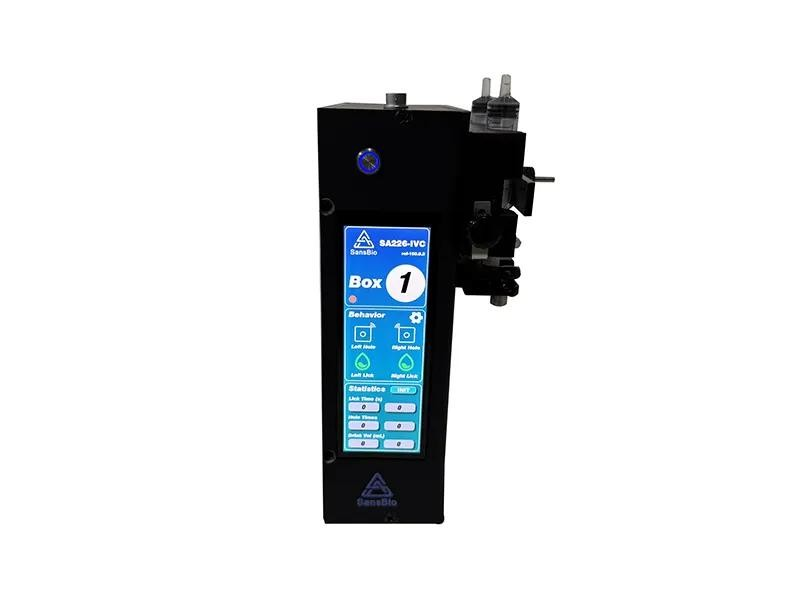
The automated SPT system uses a micro syringe pump for precise filling, with a stated filling accuracy of 0.01 mL. Its software can also filter interference from liquid volatilization in test data. These features provide another way to review volume changes alongside the experimental records.
Treat Bottle Position as a Study Variable
Side bias can complicate a two-bottle preference test when an animal repeatedly favors one physical position rather than the liquid offered there. A lower sucrose value is therefore easier to interpret when bottle placement is handled consistently across the study and position effects are considered during troubleshooting.
The SPT device uses modular drinking-water detection, which makes position exchange convenient. This can support controlled changes in bottle position when the experimental design calls for them.
Documenting which channel or position corresponds to sucrose solution and water also helps separate channel identity from the observed drinking preference.
When a low preference value appears together with an unexpected shift in channel activity, review the placement record and raw channel data before assigning a behavioral explanation.
The system records total drinking times, total drinking duration, and liquid volume for both channels, providing more detail than a single preference percentage.
Diagnose Low Intake Separately From Low Preference
Low intake does not automatically mean low sucrose preference. An animal may consume little of both fluids while the ratio between sucrose and water remains similar.
This distinction matters because the SPT is used to evaluate motivation, reward-seeking, and depression-like or anhedonia-related states, while drinking volume is a separate measurement.
Baseline testing can identify animals with unstable intake, including animals that drink too much or too little water after repeated training. The SPT procedure also describes sensitivity to environmental changes and recommends a quiet testing environment with appropriate temperature and humidity.
For this reason, review total fluid intake, the sucrose-to-water distribution, and baseline stability together. Also consider whether handling or frequent bottle operations could have altered the animal’s behavior.
The product uses a natural housing cage and minimal handling, while one-click bottle change supports bottle changes with less manual intervention.
Use More Than the Final Preference Value
A useful troubleshooting workflow does not stop at the final percentage. The SPT system provides real-time measurements of drinking volume, duration, and drinking times. Drinking time has a stated accuracy of 0.01 seconds, while drinking volume has a stated accuracy of 0.001 mL.
These records can help distinguish several patterns: a genuine reduction in drinking, a change in the balance between sucrose and water, or an unusual volume change that warrants an equipment check. The software supports up to 200 SPT channels, and separate channel operation allows other channels to continue operating independently.
Apply Consistent Checks Before Comparing Groups
When troubleshooting a two-bottle preference test, the order of review matters. Confirm liquid delivery and collection first, document bottle positions, inspect baseline intake, and then interpret preference alongside volume and duration. This approach keeps measurement issues separate from behavioral conclusions.
BioMed Easy‘s Sucrose Preference Test is designed for automated, real-time measurement of drinking behavior in freely moving rodents. The system supports mice and rats, two drinking-water statuses per channel, long-term testing, position exchange, and integration with third-party devices through TTL signals.
BioMed Easy develops integrated equipment and software for animal behavior, neuroscience, physiology, and preclinical research. Its portfolio includes Food & Drink and Metabolism among its animal research categories.
For laboratories troubleshooting sucrose preference measurements, the SPT platform combines automated intake recording with detailed channel-level data for closer review of unusual results. Contact BioMed Easy to discuss your testing requirements and identify a suitable sucrose preference measurement setup.