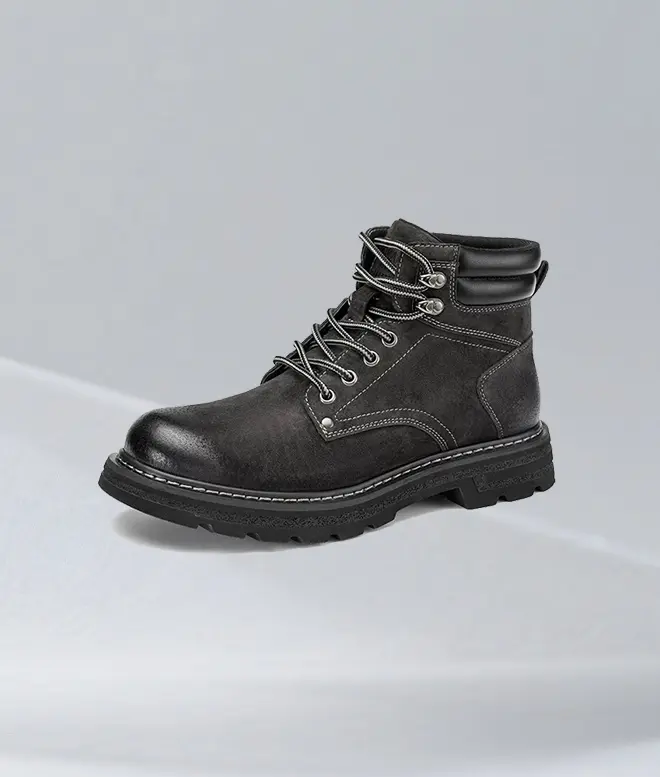
Winter footwear manufacturers constantly face the challenge of improving warmth without making shoes heavy, stiff, or uncomfortable. As consumers and industries demand better cold-weather performance, traditional insulation solutions are being reconsidered due to issues such as bulk, moisture retention, and reduced efficiency under pressure. Advanced thin thermal insulation materials are becoming a valuable option for footwear designers seeking to create warmer and lighter products. Y-Warm provides an innovative insulation solution that helps reduce cold spots, improve thermal stability, and enhance overall wearing comfort in winter boots.
The Challenge of Maintaining Warmth Inside Winter Boots
Cold feet are often caused by excessive heat transfer from the inside of the shoe to the external environment. When heat escapes quickly, footwear struggles to maintain a comfortable temperature, especially during extended outdoor use in cold conditions.
Traditional insulation materials can face several limitations in footwear applications. Bulky insulation layers may provide warmth initially, but their performance can decrease when compressed during walking. Since shoes experience continuous pressure and movement, thick materials may lose some of their ability to trap heat. Meanwhile, fleece-based materials can absorb moisture, which may affect insulation performance and accelerate heat loss.
For footwear brands, finding a material that combines thermal efficiency, thin construction, and moisture management has become increasingly important. The ideal solution needs to provide protection against cold environments while maintaining flexibility and lightweight comfort.
Y-Warm Thin Thermal Insulation Materials Deliver Efficient Heat Protection
Y-Warm thin thermal insulation materials are designed to address the limitations of conventional footwear insulation. With ultra-low thermal conductivity, Y-Warm slows down heat transfer and helps maintain warmth inside winter boots without requiring thick layers.
Unlike traditional bulky insulation, Y-Warm focuses on efficient thermal protection through advanced material technology. Its thin structure allows manufacturers to integrate insulation into footwear designs while preserving flexibility and reducing overall weight.
This advantage enables footwear brands to develop products that offer reliable warmth while supporting natural movement. Whether used in outdoor boots, work shoes, or cold-weather footwear, Y-Warm provides a practical balance between insulation performance and lightweight construction.
Lightweight Insulation for Shoes Enhances Comfort With Every Step
The weight and thickness of insulation materials directly influence footwear comfort. Heavy insulation can increase fatigue during long periods of walking, while excessive thickness may affect shoe design and fit.
The material provides footwear manufacturers with a thinner insulation option designed to reduce product bulk. Its minimal thickness allows designers to create streamlined footwear without compromising warmth.
Independent performance comparisons conducted by a client-hired third party demonstrated the advantages of Y-Warm. According to a client-commissioned third-party comparison reported by Y-Warm, the tested footwear achieved equivalent insulation with approximately one-quarter of the comparator materials’ weight and thickness.
This result highlights the potential of Y-Warm as a high-efficiency shoe insulation solution for brands seeking to reduce material volume while maintaining thermal performance.
Moisture Management Supports Long-Lasting Footwear Performance
Warmth alone is not enough for high-performance winter footwear. Moisture control also plays a significant role in maintaining comfort. Sweat and environmental moisture can accumulate inside shoes, creating a damp environment that affects insulation effectiveness.
Y-Warm combines moisture absorption and quick-drying capabilities with its insulation function. This design helps manage moisture while supporting consistent thermal performance during different activities.
For outdoor footwear manufacturers, this feature is particularly valuable. Hiking boots, winter work shoes, and performance footwear often need to handle changing temperatures, physical activity, and long periods of use. By integrating Y-Warm, manufacturers can improve the overall comfort experience while reducing concerns related to moisture accumulation.
Flexible Integration Through Advanced Manufacturing Methods
Footwear production requires insulation materials that can adapt to different manufacturing processes. Y-Warm is designed as an interlayer material that can be integrated between the shoe upper and other components through lamination or sewing.
The material can be integrated through sewing or controlled lamination, subject to the recommended temperature, pressure, and adhesive conditions. The material can be positioned where thermal protection is needed most, helping reduce heat loss and minimize potential cold spots.
Its adaptability makes Y-Warm suitable for various footwear designs, from everyday winter shoes to specialized cold-weather products requiring advanced insulation performance.
Building the Future of High-Performance Winter Footwear With Y-Warm
As footwear technology continues to evolve, thin thermal insulation materials are becoming essential for brands that want to deliver warmth without unnecessary weight. Y-Warm represents a new approach to shoe insulation by combining ultra-low thermal conductivity, moisture management, and lightweight design.
Y-Warm is committed to upgrading and iterating its core technologies while expanding applications across different industry product lines. Through continuous innovation, Y-Warm helps footwear manufacturers create products that provide effective cold protection while improving comfort and mobility.
For brands searching for advanced insulation solutions, Y-Warm offers thin thermal insulation materials designed to reduce cold spots and enhance winter footwear performance. Contact Y-Warm to request samples and evaluate the material in a specific winter-footwear construction.