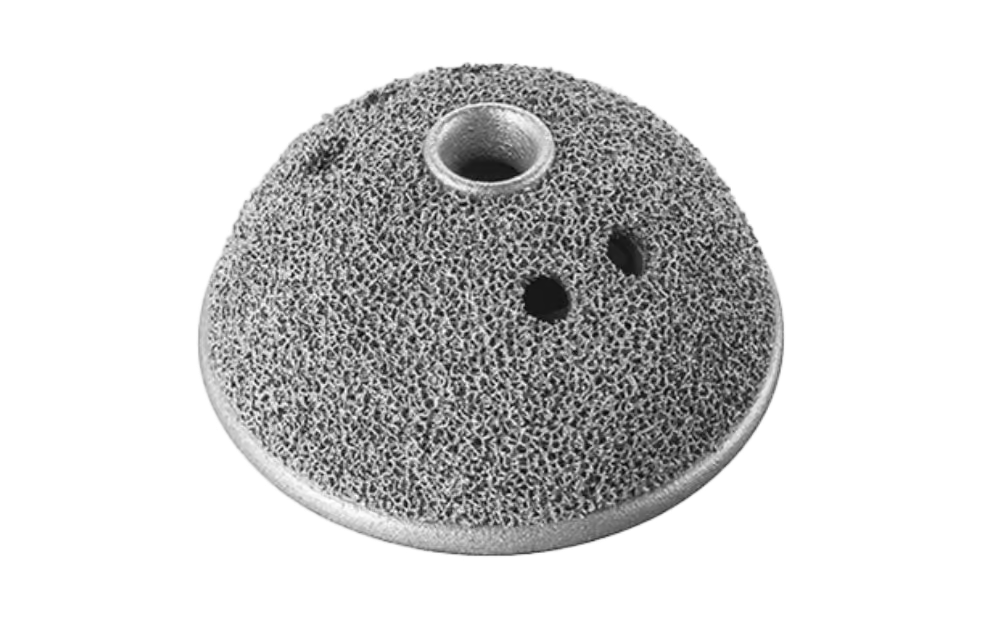
Medical implant development requires careful control over material properties, geometry, manufacturing conditions, and final-part quality. For manufacturers developing orthopedic or dental devices, metal additive manufacturing can produce complex structures that may be difficult to achieve through conventional machining.
However, selecting a suitable printer involves more than comparing printing speed or advertised precision. The equipment must fit the intended application and support a manufacturing process that can be consistently validated.
Assessing the Requirements of Implant Production
Before evaluating a 3D laser printer metal, manufacturers should define the intended implant type, design requirements, production volume, and applicable regulatory pathway. A system used for early-stage design studies may have different requirements from one intended for a validated production process.
Laser powder bed fusion, often referred to as selective laser melting (SLM), uses a laser to melt metal powder layer by layer. This process can produce complex metal components from digital designs, including features that may be difficult to manufacture using conventional methods. These capabilities are relevant to implant development, where geometry may need to accommodate anatomical requirements or support specific mechanical functions.
Manufacturers should identify which features are essential to the final device. These may include dimensional tolerances, surface characteristics, mechanical performance, and the ability to remove residual powder from complex regions. Defining acceptance criteria early helps teams assess whether a printer and its associated workflow are suitable for the project.
Checking Material Compatibility and Process Control
Material selection is central to implant manufacturing. Titanium alloys are widely used in medical applications because of their combination of strength, relatively low density, and corrosion resistance. Cobalt-chromium alloys may also be relevant to certain applications. The appropriate material depends on the implant design, intended use, and applicable requirements.
Manufacturers should verify the exact alloy supported by the machine rather than relying on broad material categories. They should also examine powder specifications, including particle-size distribution, chemical composition, purity, and handling requirements. Changes in powder condition or reuse practices can affect processing behavior and must be managed within the established quality system.
Laser power, scan strategy, layer thickness, build orientation, and thermal conditions can influence the resulting component. A printer’s published parameters provide useful selection information, but they do not independently establish that a finished implant will meet its required properties.
A structured evaluation should therefore include trial builds using representative geometries and specified materials. Manufacturers can then assess dimensional consistency, material characteristics, and process repeatability before making equipment decisions.
Evaluating Complex Geometry and Surface Quality
When reviewing options described as “3D laser printer metal,” manufacturers should examine how complex features will be produced and inspected. In implant development, these may include lattice structures, porous regions, and patient-matched designs based on medical imaging data..
Yet geometric freedom introduces practical challenges. Thin walls, overhangs, internal cavities, and porous features may require careful orientation and support design. Residual powder must be removed where applicable, and internal passages need appropriate inspection methods if their cleanliness or integrity affects device performance.
Surface quality also deserves close attention. As-built surfaces may require machining, polishing, or other finishing operations, depending on the implant’s intended function. Manufacturers should evaluate the complete process, including support removal and finishing, rather than judging the printer solely by the condition of the initial build.
Dimensional inspection should cover critical interfaces and functional features. Where internal structures cannot be assessed adequately through external measurements, suitable nondestructive inspection methods may be necessary. The selected inspection strategy should reflect the design risks and the acceptance criteria for the device.
Reviewing Validation and Quality Requirements
Manufacturers should assess process validation needs early in equipment selection. For devices intended for the U.S. market, FDA guidance outlines technical considerations for additive manufacturing and recommendations for device testing. Requirements depend on the device, its intended use, and the applicable regulatory framework.
A suitable printer should fit within a controlled workflow that records relevant build parameters and material information. Manufacturers should consider whether the system supports consistent operating procedures, traceable production records, and documented change control. Software versions, machine maintenance, powder handling, and operator training may also affect process consistency.
Testing should address the risks associated with the specific implant. Depending on its design and intended use, this may involve mechanical characterization, dimensional verification, surface assessment, cleanliness checks, and biological evaluation. Sterilization and packaging requirements must also be addressed where applicable.
Buying a printer does not automatically qualify a manufacturer to produce a compliant implant. The finished device and its manufacturing process require appropriate evidence, verification, and validation. Equipment selection should therefore involve quality, engineering, and regulatory teams rather than relying on purchasing specifications alone.
Matching Equipment to Research and Production Needs
Research teams often need flexibility when evaluating new implant geometries, while production teams may place greater emphasis on process consistency, throughput, traceability, and repeatability. A metal 3D printer for research may support early design investigations, but manufacturers should confirm whether its capabilities also match the requirements of their intended production workflow.
Build volume is one practical consideration. The working area must accommodate the component, its orientation, and any required support structures. Layer thickness, compatible alloys, process monitoring, software workflow, and service support should also be reviewed against representative applications.
Supplier evaluation should extend beyond the machine’s published specifications. Ask suppliers to demonstrate how build records connect each part to its powder batch, machine settings, and post-processing history. This helps manufacturers assess whether the proposed workflow supports traceability and consistent production records.
Manufacturers should request application-specific information and conduct suitable trials before committing to a system. If internal resources are limited, outsourced metal printing and prototype development can provide an initial way to assess design feasibility without immediately investing in equipment and facility infrastructure.
Choosing a Practical Development Path
Selecting equipment for implant production requires a complete view of the manufacturing process, from material preparation to final inspection. Medical manufacturers should compare technical capabilities against documented application requirements and validate the proposed workflow before moving toward production.
LiMN 3D provides metal additive manufacturing equipment, materials, and prototype development services. Manufacturers can assess its offerings against their implant designs, material needs, and process requirements when exploring suitable metal printing solutions.