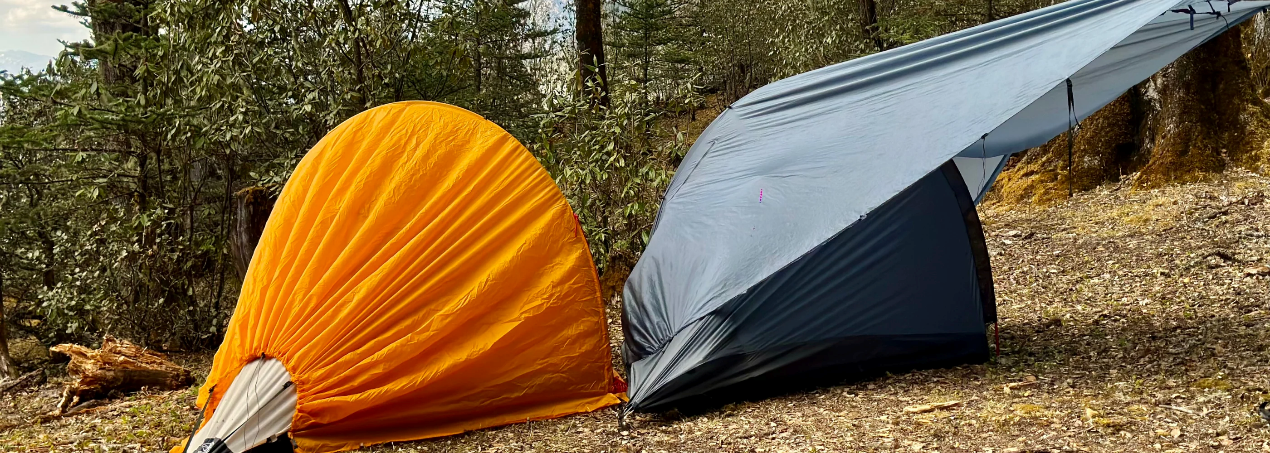
A tent designed for windy conditions depends on more than strong fabric. Structural geometry, pole configuration, fabric tension, anchoring, and load distribution all influence how shelter responds to changing airflow. Understanding these engineering principles can help hikers and outdoor professionals select suitable shelters for exposed environments.
What Defines a Wind-Resistant Tent?
A hiking tent ultralight shelter designed for windy environments needs to balance low weight with reliable structural performance. Wind creates pressure on the outer fabric, and that force must be transferred through the shelter’s frame and ultimately into the ground.
The shape of the tent plays an important role. Lower profiles can reduce direct exposure, while curved surfaces may help redirect airflow around the structure. At the same time, the fabric needs to remain appropriately tensioned so that it does not move excessively during strong gusts.
THECATAL’s Wind Anchor Pro provides a practical example of this approach, using a semi-conical structure and a dual-anchor design. The product is also specified for winds up to Beaufort scale level 12, providing a concrete reference for its wind-oriented structural design.
Wind resistance is therefore not the result of one material or component. It comes from several parts working together. A lightweight tent can still offer suitable stability when its structure is designed around realistic outdoor conditions.
How Structural Geometry Distributes Wind Loads
When wind strikes a tent, the resulting force moves through different parts of the structure. The fabric transfers pressure to attachment points, poles distribute the load, and anchors transfer the remaining force into the ground.
Pole geometry directly affects stability. Curved poles can create continuous support, while intersecting poles may improve resistance to lateral movement. Height and width also matter. A tall structure presents more surface area to wind, while a lower profile can reduce lateral forces.
Good structural engineering therefore involves balancing stability, comfort, and portability rather than maximizing one characteristic.
The Role of Poles and Connectors
Poles form the primary framework for many outdoor shelters. Their material, diameter, flexibility, and connection method all influence how the tent behaves under pressure.
A suitable pole system needs enough flexibility to absorb temporary movement while maintaining the overall shape. If a component is too flexible, the structure may move excessively. If it is overly rigid, stress can transfer to connectors or fabric attachment points.
Connectors are equally important. Clips, sleeves, joints, and hubs should remain secure throughout setup and use. Damage to even a small structural component can affect the load path and reduce overall stability.
Regular inspection is essential, especially after exposure to strong winds. Bent poles, cracked connectors, or worn attachment points should be addressed before the next use.
Why Anchoring Matters
A properly designed frame cannot provide reliable stability without suitable anchoring. Wind forces eventually need to be transferred from the structure into the ground, making stakes, guylines, loops, and site conditions important parts of the system.
Different surfaces provide different levels of resistance. Firm soil, loose ground, sand, gravel, and rocky terrain may require different anchoring approaches. Users should select attachment methods according to actual site conditions.
guylines can further improve stability by supporting critical points of the structure. When correctly tensioned, they help maintain the intended geometry and reduce unwanted movement. Excessive tension, however, can place unnecessary stress on the shelter.
Fabric Tension and Aerodynamic Behavior
The outer fabric has both protective and structural functions. Properly tensioned fabric can help transfer wind pressure toward reinforced seams and frame connections while maintaining the intended shape.
Loose fabric may flap under repeated gusts, increasing movement and accelerating wear around seams or attachment points. Proper tension can reduce this movement and contribute to more stable performance.
For buyers researching a wind proof tent, the important question is not simply whether the fabric is thick or reinforced. The complete structural system should be considered.
For a concrete product reference, the Wind Anchor Pro uses 10D ripstop fabric, while the Wind Anchor uses 20D ripstop fabric; the series is also specified with a 5000mm waterproof rating.
Lightweight Engineering and Structural Efficiency
Ultralight tents present a particular design challenge because reducing weight can affect structural margins. Designers therefore need to determine where material is essential and where weight can be reduced without compromising performance.
Critical areas such as seams, pole junctions, anchor points, and high-stress fabric sections may require reinforcement. Lower-stress areas can potentially use lighter materials. This approach allows designers to reduce overall weight while maintaining support where it matters most.
The Wind Anchor Pro has a stated tent weight of 650g, illustrating how a lightweight shelter can maintain a highly portable format while incorporating a wind-focused structural design.
For backpackers, the result can be easier transportation without treating durability as an afterthought. Packed weight is only one part of the evaluation; pole design, fabric tension, anchoring options, and environmental suitability also matter.
Weather and Site Selection
Wind resistance should always be evaluated together with site conditions. An exposed ridge, open field, forest edge, or mountain campsite may create different airflow patterns.
Selecting an appropriate location can reduce unnecessary loads. Natural windbreaks may provide some protection, although users should avoid areas with falling branches, unstable surfaces, or other hazards.
Ground conditions should also be assessed before installation. The tent needs suitable space for stakes and guylines to be positioned correctly. In severe weather, users should follow the manufacturer’s safety guidance rather than relying solely on product specifications.
Inspection and Maintenance
Structural performance can decline as components become worn. After use, hikers should inspect poles, connectors, seams, guylines, stakes, loops, and other load-bearing areas.
Particular attention should be given to stretching, abrasion, loose stitching, or bent poles after strong winds. Dirt and moisture should also be managed according to the manufacturer’s maintenance instructions.
THECATAL approaches outdoor equipment with attention to practical design and outdoor usability. For users evaluating lightweight and wind-resistant shelters, understanding this broader design philosophy can help them assess durability, portability, and structural function together.
Choosing a Structurally Suitable Wind-Resistant Tent
Wind resistance comes from geometry, materials, connections, fabric tension, and anchoring working together. Selecting a suitable shelter therefore requires more than checking one weather-resistance specification. Users should consider the intended environment, expected wind exposure, packed weight, setup requirements, and maintenance needs. THECATAL provides an example of an outdoor equipment brand where portability and functional design are considered together when developing shelters for changing outdoor conditions.