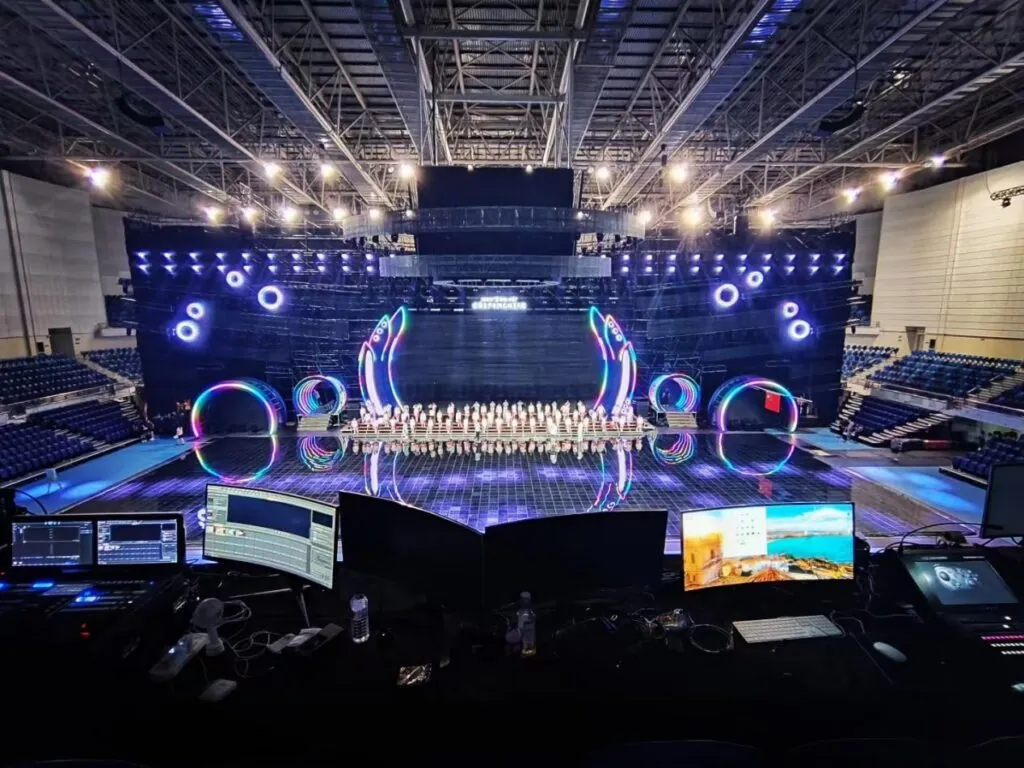
Large LED displays are becoming essential in many professional environments, including stage performances, control rooms, commercial spaces, exhibitions, sports venues, and immersive visual installations. However, creating a seamless and high-quality display requires more than just connecting multiple LED panels. A reliable control system is needed to process signals, manage layouts, and ensure stable image output.
A Video Wall Controller is one of the most important components in a large display system. It receives video signals from different sources, processes image data, and distributes content across multiple LED panels or screens. By managing resolution, scaling, switching, and synchronization, it helps transform separate display units into a unified visual platform.
Different projects have different requirements. A small conference room display may need a simple integrated solution, while a large stage LED wall or command center may require advanced processing and multi-screen management. Understanding the available controller types helps users choose the right equipment for their specific applications.
Kystar provides professional LED display control solutions designed for various large-scale visual projects, helping users achieve stable performance and flexible display management.
Different Types of Video Wall Controllers
A Video Wall Controller can be divided into several categories according to its functions, processing capabilities, and application scenarios. Each type is designed to solve different challenges in LED display management.
Integrated controllers are among the most commonly used solutions for projects that require simple installation and efficient operation. These devices combine several functions, such as video processing and LED display control, into one unit. By reducing the number of separate components, integrated controllers make system setup easier and are suitable for applications such as conference rooms, retail displays, small event stages, and corporate presentations.
For projects that require more advanced image management, professional processing controllers provide greater flexibility. These systems are designed to handle multiple video sources, complex screen layouts, and high-resolution content. They allow operators to adjust image positions, scale different windows, and display multiple signals at the same time.
In large LED installations, a Video Wall Controller with strong processing capability is especially valuable because it can manage large amounts of image data while maintaining smooth playback. This makes professional controllers suitable for broadcast environments, command centers, exhibition halls, and large commercial displays.
Splicing controllers are another important category used for building extra-large images. When a single display device cannot support the required screen size or resolution, a splicing solution divides the complete image into different sections and distributes them across multiple LED screens.
This type of controller allows multiple display areas to work together as one large canvas. It is commonly used in applications where a seamless visual experience is required, such as immersive installations, control rooms, and large stage backgrounds. Advanced splicing functions also support flexible layouts, allowing users to create customized display configurations.
LED sending controllers focus on transmitting processed image data from the control system to LED modules. They work together with receiving cards inside LED cabinets to ensure that every part of the screen receives accurate information.
For rental LED displays, outdoor advertising screens, and large event installations, sending controllers are important for maintaining stable communication between the control system and LED panels. Their performance directly affects image consistency, refresh quality, and overall display reliability.
How Video Wall Controllers Build Better Display Systems?
The main purpose of a Video Wall Controller is to simplify the management of complex LED display systems. Instead of treating each LED panel as an independent unit, the controller coordinates all parts of the display and creates a complete visual output.
When multiple video sources are connected, the controller processes incoming signals and determines how the content should appear on the LED wall. It can resize images, adjust layouts, switch between different sources, and distribute signals according to the screen structure.
For example, a live event may require camera feeds, promotional videos, and graphic content to appear together on a large LED background. A professional controller can manage these sources simultaneously and ensure smooth transitions during the performance.
In commercial environments, controllers also improve operational efficiency. Shopping malls, museums, and corporate spaces often need scheduled content playback and different display layouts. A suitable controller allows operators to update content easily while maintaining consistent image quality.
Kystar develops LED control technologies that support professional applications requiring accurate image processing and reliable system operation. Its solutions are designed to meet the needs of different display environments, from creative visual projects to large-scale commercial installations.
Factors to Consider When Choosing a Video Wall Controller
Selecting the right controller depends on several important factors. The first consideration is the size and resolution of the LED display. Larger screens require stronger processing capability because more pixels need to be managed at the same time.
Input and output compatibility is another important factor. Different projects may use different video sources, including computers, cameras, media servers, and professional broadcast equipment. A suitable controller should support the required signal formats and provide enough output channels for the planned display structure.
The level of control flexibility should also be considered. Projects with complex layouts may require features such as multi-window display, image scaling, signal switching, and customized screen arrangements. These functions provide more creative possibilities and improve operational efficiency.
Reliability is equally important for professional LED applications. Displays used in live events, control rooms, and commercial environments often operate for long periods, making stable hardware performance essential. A reliable controller reduces the risk of signal interruptions and ensures a consistent viewing experience.
Kystar focuses on developing stable and flexible LED display control solutions that support demanding professional environments. By combining processing performance with practical control functions, its products help users build efficient display systems.
Applications of Video Wall Controllers
Different industries use controllers according to their visual requirements. In stage productions, controllers help manage large LED backgrounds, live video feeds, and creative visual effects. Fast processing and reliable synchronization are essential because any delay can affect the audience experience.
In virtual production and immersive environments, controllers support high-quality image delivery between content systems and LED walls. Accurate processing is important for maintaining realistic visuals and smooth camera interactions.
For command centers and monitoring rooms, controllers enable operators to display multiple information sources on a large screen. Flexible layouts and multi-source management improve decision-making efficiency.
Commercial displays also benefit from controllers because they allow brands to create engaging visual experiences. From digital signage to large advertising screens, the right control system helps deliver clear and impactful content.
Conclusion
A Video Wall Controller is a key element in modern LED display systems. Different types, including integrated controllers, professional processing systems, splicing solutions, and sending controllers, provide different levels of functionality for various applications.
The right choice depends on display size, resolution requirements, signal sources, control needs, and future expansion plans. By selecting a suitable controller, users can achieve smoother operation, better image quality, and more flexible content management.
With professional LED display technologies and customized solutions, Kystar supports organizations in creating reliable and impressive visual environments. A well-designed control system allows large LED displays to deliver stronger performance and greater visual impact.