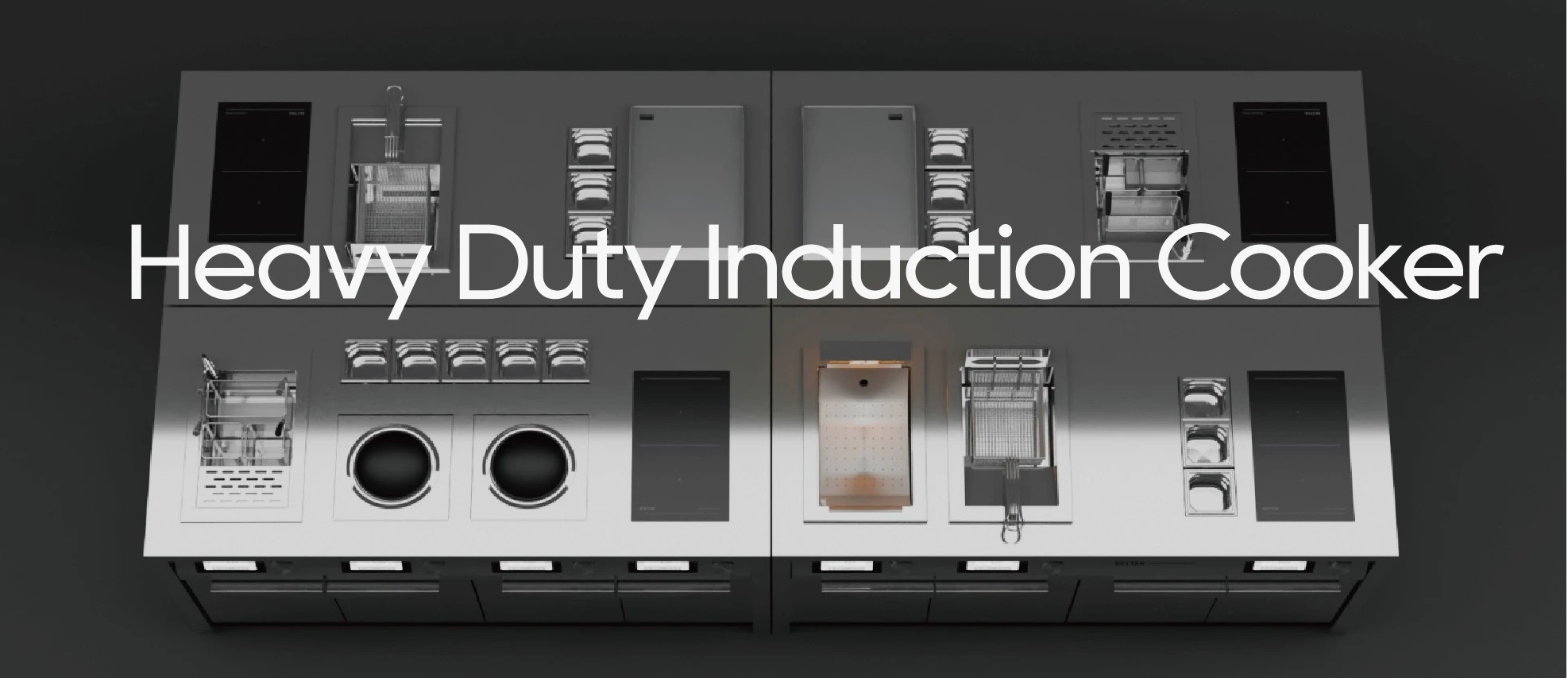
A commercial induction cooker prototype that heats water quickly can still be difficult to operate or unsuitable for its intended installation.
Equally, an attractive display does not establish electrical safety. Induction appliance validation becomes clearer when teams treat safety, cooking performance, and user experience as separate questions supported by different evidence.
Better Induction develops household and commercial induction products with varied controls, enclosures, and cooking functions. Such variety makes a three-part validation plan useful because success in one area does not conceal a deficiency in another.
Separate Commercial Induction Cooker Safety Evidence
Safety-related requirements concern unacceptable hazards and compliance obligations. They cannot be waived merely because a product meets marketing expectations or performs cooking tasks effectively.
Start with the exact construction
The review identifies the model, supply rating, enclosure, protective functions, wiring design, and installed software.
A commercial kitchen equipment supplier uses that configuration when planning safety evaluation. Applicable assessments depend on the destination market and actual configuration. The finished appliance, not a generic family name, is the subject of the review.
The qualified technical owner approves the safety plan and reviews abnormal-condition findings. Changes in components or construction must be screened for consequences to the evidence already collected.
Use controlled acceptance criteria
Tests have defined methods, permitted outcomes, calibrated equipment where required, and traceable records. An unexpected protective shutdown requires analysis. It is not described casually as proof of either safety or poor performance.
Escalation rules need to prevent unresolved safety-related failures from being treated as ordinary improvement requests. The project documents who has the authority to block release until the concern is resolved.
Measure Cooking Performance Through Repeatable Tasks
Cooking performance describes how the appliance completes its intended work. It needs operational tests that separate product behavior from uncontrolled variation in the setup.
Choose a Repeatable Cooking Task for Comparison
A general cooker might be evaluated through defined heating and control tasks, while a fryer requires different preparation conditions and observations. Specify cookware, load, starting conditions, selected settings, and measurement methods before comparing results.
A commercial kitchen equipment supplier with relevant product development capabilities can support prototype assessment. Better Induction’s catalogue includes cookers, fryers, buffet equipment, and cooking islands, but each category is tested against its own intended role.
Keep rated specifications distinct from results
A listed power rating describes the product’s electrical specification under defined conditions. It does not by itself establish food throughput, time savings, or energy consumption during a particular task. Those outcomes need appropriate testing.
When comparing prototypes, retain the same setup as far as practical. If the cookware or quantity changes, record it openly. Otherwise, a difference attributed to the appliance might come from the test conditions.
Study User Experience in the Actual Workflow
User experience evidence comes from observing people completing representative tasks. It is not interchangeable with compliance testing or laboratory measurement.
Observe Controls During Real Kitchen Work
Ask operators to start, adjust, monitor, and stop a cooking operation using the proposed interface. Note hesitation, mistaken settings, difficult reach, and unclear feedback. A control can function correctly in engineering tests yet remain confusing during a busy shift.
Usability sessions work best with the motions typical of that station: selecting a setting while wearing kitchen gloves where appropriate, reading controls through steam or splashes, and cleaning accessible surfaces after cooking. A buffet holding unit has different interaction requirements from a heavy-duty cooker controlled repeatedly during service.
Evaluate documentation and recovery
Operators are able to identify routine warnings and follow authorized instructions. A commercial kitchen equipment supplier benefits from observations based on station tasks instead of generic satisfaction ratings.
Review whether the manual and interface use matching terms. Observe how participants recover from ordinary errors without encouraging unsafe troubleshooting.
Findings should distinguish a design problem from missing training. Both matter, but the corrective actions differ.
Better instructions cannot compensate for an interface that repeatedly prompts incorrect selections. Those findings require a product-level usability response. The review also distinguishes issues affecting novice operators from those visible during repeated use.
Bring the Evidence Together Without Mixing It
A decision involving Better Induction can consider all three areas while preserving separate evidence and sign-off. One attractive overall score is a poor substitute for transparent conclusions.
Maintain three acceptance records
Safety reviewers approve the applicable technical and compliance evidence. Product engineers assess cooking performance against its agreed specification. User-experience owners evaluate documented tasks and usability targets. Unresolved findings remain visible in the consolidated release record.
The approvals reference the same product revision. A late software or construction change might affect more than one area, so reassessment must follow the changed function.
Resolve trade-offs openly
A different control arrangement might improve usability but change assembly or thermal conditions. The project team documents proposed trade-offs and requests any necessary technical evaluations before authorization.
The assortment of commercial induction cooker models creates diverse validation needs. Consistent decision rules provide discipline without pretending every product passes identical cooking or interface tests.
Conclusion
Safety, cooking performance, and user experience answer different questions. Validating each with appropriate methods prevents strong results in one area from masking weaknesses in another.
The final release joins their conclusions while preserving the evidence, responsible sign-offs, and exact product revision behind every decision. Passing the cooking trial does not excuse an unsafe configuration, while a technically safe product still needs usable controls. Separate records keep these decisions transparent.