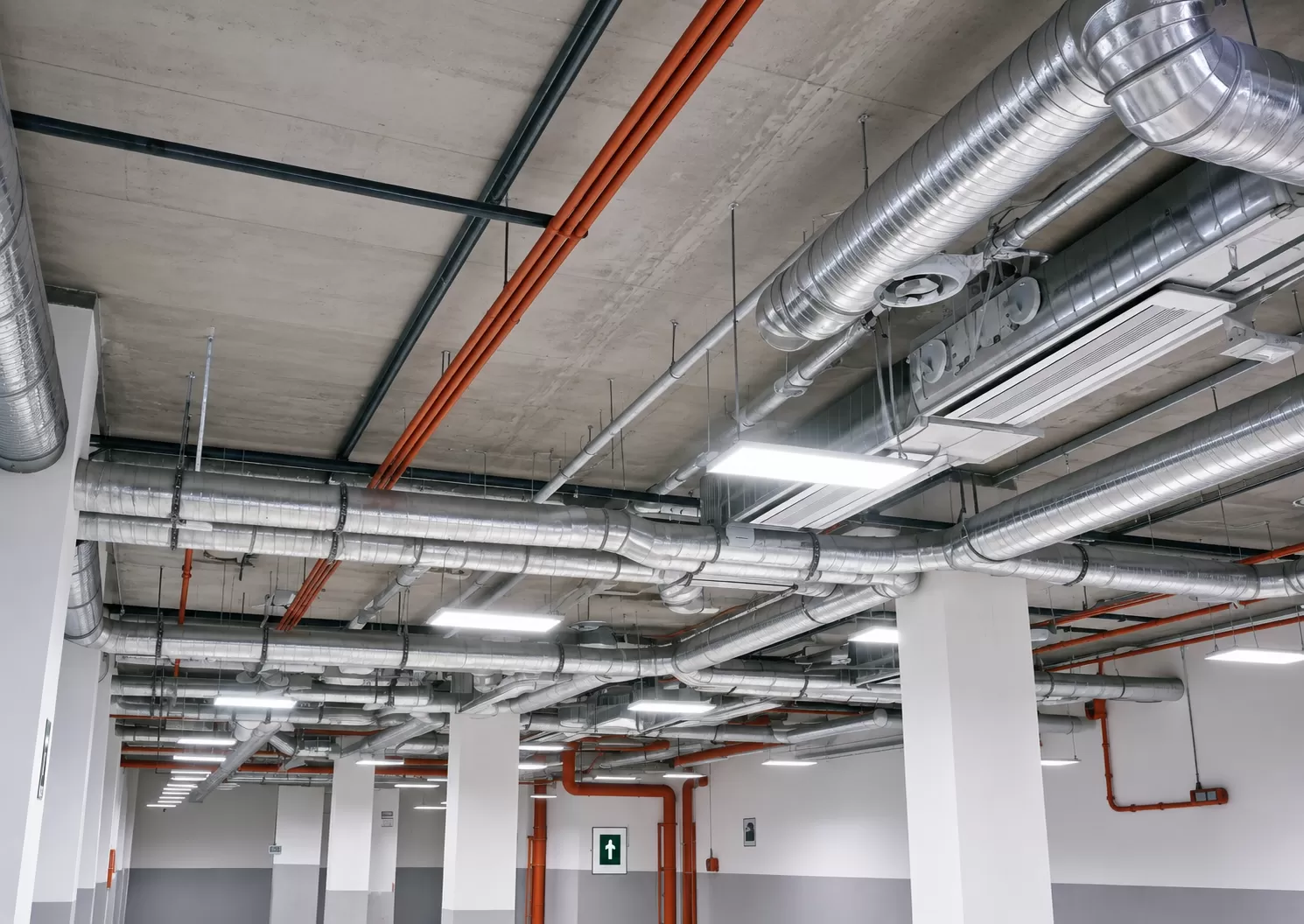
Frames, storage racks, and ventilation assemblies may look simple on engineering drawings, yet their performance depends on accurately positioned openings, consistent lengths, and reliable joints. The requirements become more demanding when tubular components must fit together across multiple assembly stages.
Laser cutting metal tube supports the production of intricate profiles and connection features, but the most suitable process depends on how each component functions within the finished structure. Hymson Laser Machinery operates in industrial laser processing, where application requirements help shape decisions about equipment capability, production methods, and part quality.
Adapt Tube Processing to Structural Applications
Frames used in industrial equipment often rely on square or rectangular tubes because their flat faces simplify mounting and alignment. Holes for bolts, slots for adjustment, and notches for intersecting members must be positioned accurately to avoid forcing components together during assembly. Even small deviations can accumulate across a large frame, particularly when several cut sections connect at fixed angles. Reviewing joint locations and assembly tolerances before production helps identify which features require the closest inspection.
Storage racks place different demands on tubular parts. Uprights and crossmembers may need repeated hole patterns so shelves or brackets can be installed at consistent heights. Variations in hole spacing can affect load distribution or make assembly difficult, while poorly finished edges may create handling concerns. Production checks should focus on repeatability across the full batch rather than relying on the appearance of a single sample.
Ventilation and environmental equipment may use tubes as supports, frames, ducts, or connections between structural elements. These applications can involve mixed profile shapes, different wall thicknesses, and mounting features that must align with other fabricated parts. Engineers should assess the relationship between the tube geometry and the complete assembly, including access for fasteners, clearance around adjacent components, and any coating or finishing requirements that follow cutting.
Match Cutting Features to Material and Geometry
Tube material and wall thickness influence how cutting parameters should be selected. Carbon steel, stainless steel, and other metals differ in thermal behavior and cutting response, while thin-walled sections may be more susceptible to deformation than heavier profiles. Surface condition can also affect process consistency. Before production, manufacturers should confirm the material specification and inspect incoming stock for dimensional variation, bending, corrosion, or damage that could affect positioning.
Feature design deserves careful attention, especially where multiple cuts occur close together. Dense hole patterns, narrow slots, angled ends, and intersecting contours can reduce the stiffness of a section as material is removed. The cutting sequence may influence heat distribution and the stability of the remaining tube. Trial parts should therefore include the most demanding features found in the actual design, rather than only straight cuts or widely spaced openings.
A tube laser cutting system should be evaluated against the profiles and operations required by the application. Round tubes may need accurate rotational positioning, while square and rectangular sections require reliable face orientation. Long sections introduce additional handling considerations, and heavier stock may require suitable loading and support arrangements. Comparing equipment limits with the actual range of tube dimensions, wall thicknesses, and finished lengths helps prevent a mismatch between the machine and the intended work.
Improve Assembly Readiness and Production Consistency
Cutting quality matters beyond the machine because tubular components often move directly into welding, fastening, coating, or final assembly. Poorly positioned holes can complicate bolted connections, while inaccurate end cuts may create uneven gaps between adjoining members. These problems can increase fitting time and create variation in the finished structure. Inspection plans should identify the dimensions that affect assembly most directly and define how those dimensions will be measured.
Material utilization is another practical concern, particularly when orders include different tube lengths or small batches of custom parts. Nesting decisions affect scrap, but they should also account for the stability of the remaining stock and the order in which parts are separated. Poorly planned sequences may allow short sections to shift or make finished components harder to unload safely. Reviewing both waste levels and handling behavior gives production teams a more balanced view of efficiency.
The HyLaser Tube PRO is designed for flexible processing across a range of tube materials, profiles, and production requirements, with intelligent functions and flexible automation options. These capabilities may be relevant to manufacturers producing varied structural components, but suitability depends on the actual application and selected configuration. Sample jobs should be used to assess dimensional accuracy, edge quality, handling needs, and the repeatability of key features before a process is adopted for regular production.
Conclusion
Structural tube fabrication succeeds when cutting decisions reflect the demands of the final assembly. Frames require accurate joints, racks depend on repeatable mounting patterns, and ventilation equipment may involve varied profiles and connection details. Laser cutting metal tube should be evaluated through representative components, measurable tolerances, and practical checks of downstream assembly requirements.
Hymson Laser Machinery participates in the industrial laser equipment sector, where application-specific assessment helps manufacturers align processing methods with real production needs. A well-matched tube laser cutting system can support consistent tubular components when material selection, geometry, inspection, and handling are treated as connected parts of the manufacturing process.