Fleet video technology is moving beyond basic recording. Commercial operators now expect cameras, positioning data, driver alerts, network communication, and remote management to work together. A vehicle video monitoring system built around AI MDVR can connect these functions in one structure. This helps fleet teams review incidents, monitor driving risks, and manage vehicles without relying only on footage collected after a trip.
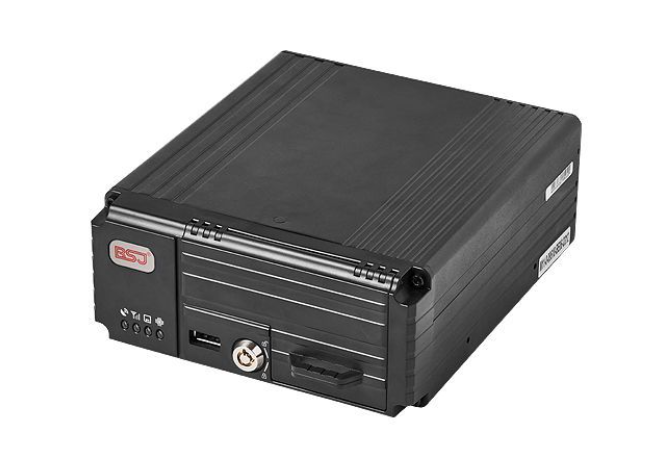
AI MDVR acts as the hardware center. It receives video from several cameras, stores footage locally, and can upload selected data when a network is available. The same device can also process safety-related events, supporting both evidence recording and active fleet oversight.
Why AI MDVR Matters in Fleet Operations
Traditional mobile recorders mainly capture video for later playback. AI MDVR adds event detection, remote communication, and integration with fleet platforms. Instead of searching through long recordings, managers can focus on specific alarms, vehicles, or driving events.
Camera layout depends on the vehicle and working environment. Logistics trucks may need road-facing and cabin views. Buses may require more channels for passenger areas. Construction vehicles may need side and rear coverage because blind spots can be difficult to manage on busy sites.
A connected MDVR camera system can send selected footage, alarms, and device information to a remote platform. This is useful when a fleet manager needs to review an event while the vehicle is still in service. It also reduces the need to remove storage media for routine checks.
AI functions such as ADAS, DMS, and BSD add another layer of information. ADAS may support road-risk detection, DMS can focus on driver behavior, and BSD can help monitor blind-spot conditions. These functions should support fleet procedures rather than replace training or supervision.
The System Needs More Than Cameras
Video telematics depends on several connected elements. The recorder must work with GPS data, communication networks, storage, cameras, and fleet software. When these parts are coordinated, operators can understand what happened, where it happened, and when it happened.
A practical vehicle video monitoring system should support live viewing, playback, alarm review, device status checks, and remote configuration. These functions become more important as fleet size grows because manual inspection becomes less efficient across different depots or regions.
Remote firmware and configuration tools can reduce repeated service visits. Technical teams may need to adjust parameters, check device status, or update software without bringing every vehicle back to a workshop.
Third-party software integration also matters. Distributors and system integrators may already use GPS or fleet management platforms. Hardware that supports external platforms can make deployment easier when video telematics must fit an existing digital environment.
Applying AI MDVR to Different Fleet Types
Fleet requirements vary by sector. Logistics operators may focus on route events, driver behavior, cargo incidents, and collision evidence. Public transport fleets may need several camera views. Mining and construction fleets may place more attention on blind spots, reversing activity, and vehicle movement around workers or equipment.
Project teams should therefore evaluate more than channel quantity. Camera position, storage capacity, network coverage, upload rules, AI functions, installation space, and software compatibility all affect the final design.
For larger deployments, BSJ Technology offers AI video telematics hardware for fleet owners, distributors, and system integrators. They support OEM and ODM projects and third-party software integration, including platforms such as Wialon and GpsGate. Their hardware engineering and technical support resources are relevant where projects require adaptation across different fleet environments.
The ED08R is an 8-channel MDVR for larger fleet applications. It supports HD recording, real-time uploads, and AI safety functions including ADAS, DMS, and BSD. It is designed for logistics, construction, and public transport, where several camera channels and centralized oversight may be required.
Remote Management Shapes Daily Use
Hardware performance is only one part of fleet deployment. Operators also need a practical way to manage devices after installation. The ED08R works with Configurator, FOTA WEB, and Monitoring System tools for device setup, firmware management, and fleet oversight.
This type of remote management can help technical teams handle settings and updates across many vehicles. It also makes it easier to identify devices that require attention without waiting for a workshop visit.
A MDVR camera system also needs a sensible data strategy. Real-time uploads depend on available bandwidth and network stability. Fleets may transmit urgent alarms first while storing routine footage locally for later review. This can reduce unnecessary data use where mobile coverage is inconsistent.
These considerations matter in oil and gas, mining, cold-chain, and construction operations. Vehicles may travel through areas with weak connectivity, so local storage and upload priorities should be planned before deployment.
A Practical Architecture for Fleet Video
A useful video telematics system connects recording, AI analysis, positioning, remote communication, and fleet software around daily operating needs. Hardware selection should be linked to camera layout, network conditions, storage policy, alert rules, and maintenance procedures.
BSJ Technology fits projects where fleet customers need AI MDVR hardware, customization, and integration with existing fleet platforms. For distributors and integrators, open integration options and remote management functions can also support later expansion across more vehicles or regions.
A well-planned vehicle video monitoring system can give managers faster access to incidents, safety events, and device status. A properly configured MDVR camera system can also support remote oversight without turning video management into a separate manual process. This is the practical role of AI MDVR in modern video telematics.