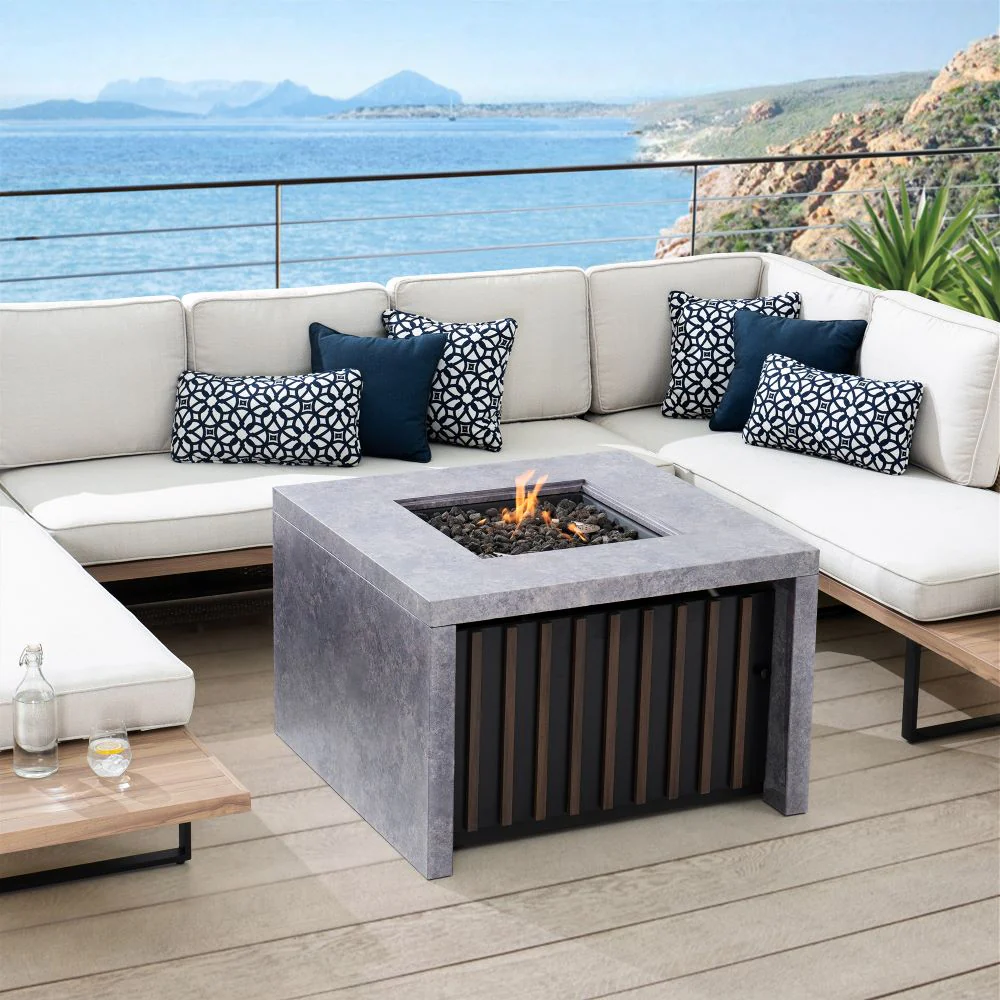
An outdoor fireplace adds warmth, light, and atmosphere to a patio or backyard, but smoke drifting into your eyes can quickly ruin the experience. Proper venting is the key to enjoying a fire pit or outdoor fireplace comfortably. By understanding airflow, placement, and design choices, you can significantly reduce smoke issues and create a more pleasant outdoor environment.
Understanding Why Smoke Becomes a Problem
Smoke problems usually come from poor airflow. When an outdoor fireplace does not have enough oxygen or a clear path for smoke to rise and escape, the smoke lingers at seating level. Wind direction, surrounding walls, and even nearby furniture can disrupt natural airflow and push smoke back toward people. This is especially common in compact patios or enclosed backyard layouts.
Fuel choice also matters. Wet or low-quality firewood produces more smoke, while certain fire pit designs are better at encouraging complete combustion. Knowing the causes helps you design a venting solution that works with your space rather than against it.
Choosing the Right Venting Design
For a traditional outdoor fireplace, a properly sized chimney is one of the most effective ways to control smoke. The chimney should be tall enough to create a steady upward draft, allowing smoke to rise above head level before dispersing. A narrow or short chimney can trap smoke and force it outward instead of upward.
If you prefer a fire pit, look for designs that enhance airflow from below. Many modern fire pit models use internal air channels that feed oxygen into the fire. This improves combustion and reduces the amount of smoke produced. Propane fire pits are another option, as they burn cleaner and eliminate smoke almost entirely.
Positioning Your Outdoor Fireplace Correctly
Placement plays a major role in venting performance. Position your outdoor fireplace or fire pit in an open area where smoke can disperse naturally. Avoid placing it too close to walls, fences, or tall hedges, as these surfaces can block airflow and cause smoke to swirl back toward seating areas.
Take note of prevailing wind patterns in your yard. Aligning the fireplace opening with the dominant wind direction can help carry smoke away from people. Even small adjustments in orientation can make a noticeable difference during use.
Using Accessories to Improve Smoke Control
Simple accessories can further enhance venting efficiency. A chimney cap helps regulate airflow while preventing downdrafts that push smoke downward. For fire pits, a raised fire bowl or a design with side ventilation openings encourages better circulation.
The way you build and maintain the fire also matters. Stack wood loosely to allow air to flow between logs, and avoid overloading the fire pit. Regularly cleaning ash buildup ensures vents and air inlets remain unobstructed, supporting consistent airflow.
Conclusion: Enjoying a Clear and Comfortable Fire Experience
Venting an outdoor fireplace properly is essential for avoiding smoke in the eyes and maximizing enjoyment. By choosing the right design, positioning your fire feature wisely, and maintaining good airflow, you can create a comfortable and inviting outdoor space. Whether you prefer a classic outdoor fireplace or a modern fire pit, thoughtful venting makes all the difference.
For a wide selection of outdoor fireplaces and fire pits designed with comfort and usability in mind, explore SUNJOY. Shop the outdoor patio and backyard fire pit collection at SUNJOY to find stylish wood-burning fireplaces, smokeless propane fire pit tables, and more, all with free shipping and options that help you enjoy every moment around the fire.