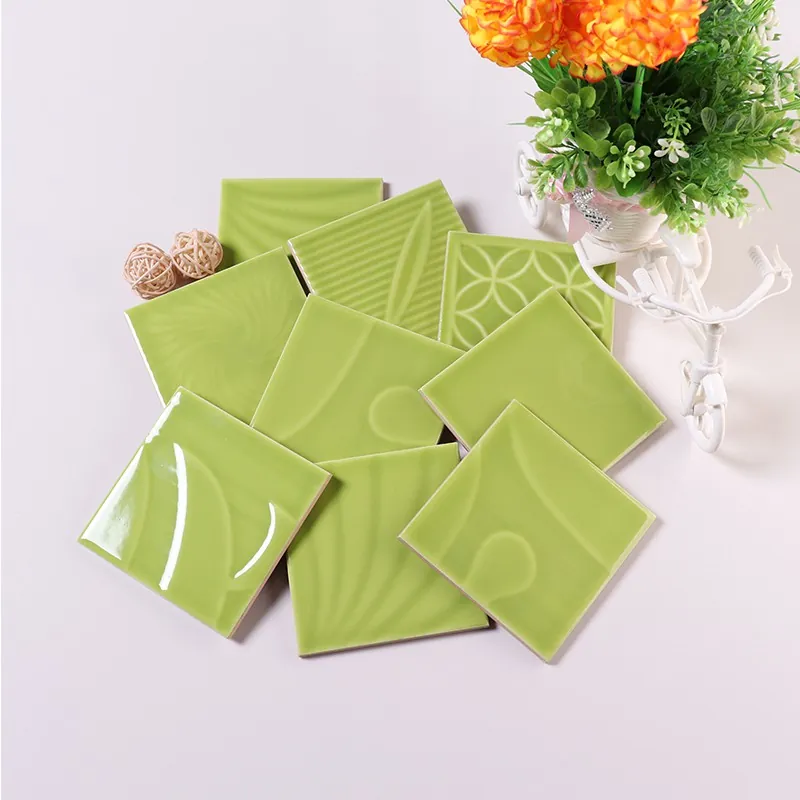
Small-format tile can bring detail to a wall, but a smaller piece does not automatically make a space feel larger or more finished. The result depends on the area’s proportions, pattern, grout, lighting, and how the edges meet nearby surfaces. Before selecting a product, decide whether the tile should cover a functional zone, define a niche, or act as a visual accent.
A useful plan begins with measurements. Note the wall’s height and width, fixture positions, and any corners or trim that affect the layout. These details help determine where cuts will fall and whether the pattern can finish neatly at the boundaries.
Identify the Role of the Tiled Area
The same small-format tile can serve different purposes in different rooms. A backsplash defines a work zone, a niche adds detail to a recessed area, and a feature section draws attention to one part of a wall. Each use calls for a different balance between pattern, color, and surrounding materials. Selecting small subway tile for these areas requires attention to the wall dimensions and the visual effect of the surrounding finishes.
Use accent zones intentionally
A narrow wall area or backsplash can benefit from a small tile pattern when surrounding surfaces are relatively simple. Repeating joints create texture without requiring additional decorative elements. If other finishes already have strong patterns, a restrained tile color can help keep the room balanced.
A feature wall gives the pattern more space to read clearly. Check how it relates to furniture, shelving, mirrors, or cabinetry, and decide where the tiled section should begin and end. A design that looks appealing in a close-up sample may feel busy across a large wall, so review the pattern both nearby and from the room entrance.
Plan niches around their dimensions
Niches have limited width, depth, and height. Measure the opening and note the position of shelves, corners, and fixtures before choosing a layout. Consider whether full pieces can be centered or whether narrow cuts will appear at the edges. A simple elevation drawing can make these decisions easier to review with the installer.
In wet areas, coordinate tile selection with the project’s waterproofing and installation requirements. Ask the supplier to confirm the product’s intended application and discuss the wall assembly with the project team. The tile itself does not replace substrate preparation or other installation steps.
Choose a Pattern and Grout Relationship
Small tiles create more visible joints across an area than larger pieces. Those joints become part of the design, so review grout color and layout with the tile sample. Contrasting grout emphasizes each piece, while a closer shade can make the surface feel more continuous.
Review the pattern at room scale
For buyers comparing small subway tile, consider how the format will look in the actual wall area rather than relying on a product image. Lay out a sample board or scaled drawing to check alignment around outlets, shelves, mirrors, and corners. This can reveal awkward slivers or interruptions before an order is placed.
The pattern’s direction also changes its effect. Horizontal arrangements can reinforce a wall’s width, while vertical placement can draw attention upward. The right choice depends on the room and nearby features. Check transitions at the top and sides so the pattern ends cleanly.
Coordinate edges and transitions
Decide how the tile will meet painted walls, cabinetry, countertops, or another material. Outside corners and exposed edges may require trim or another finishing detail. Discuss these points with the installer before ordering, because the selected edge treatment can affect quantities and layout.
Grout joint dimensions and setting materials should follow product guidance and the installation plan. Ask the supplier for relevant product details and confirm them with the installer. This is useful when different wall areas have distinct edge or moisture conditions.
Consider Maintenance and Lighting
Small-format surfaces can draw attention to grout lines, so consider cleaning expectations when selecting color and finish. Ask for care instructions for the exact product and grout combination. Do not assume a small tile or a particular finish is automatically easier to maintain.
Lighting affects color and surface appearance. Review samples under the room’s daylight and installed fixtures, especially near mirrors or work surfaces. Check whether reflections, shadows, or grout contrast change the look from different viewpoints. A sample viewed in the intended space is more informative than a screen image alone.
Make the Layout Fit the Space
Small subway-style tiles work best when the area, pattern, grout, and edges are planned together. Measure first, review samples at room scale, and coordinate installation details with the supplier and project team. This helps the tile add considered detail to a backsplash, niche, or feature section without leaving layout decisions until installation.
JLA Ceramics is a ceramic tile manufacturer offering subway tiles in different sizes, colors, and finishes for residential and commercial projects. They also provide custom design and OEM services to support different project requirements. Buyers can visit JLA Ceramics to explore the subway tile collection and discuss suitable options for their next project.