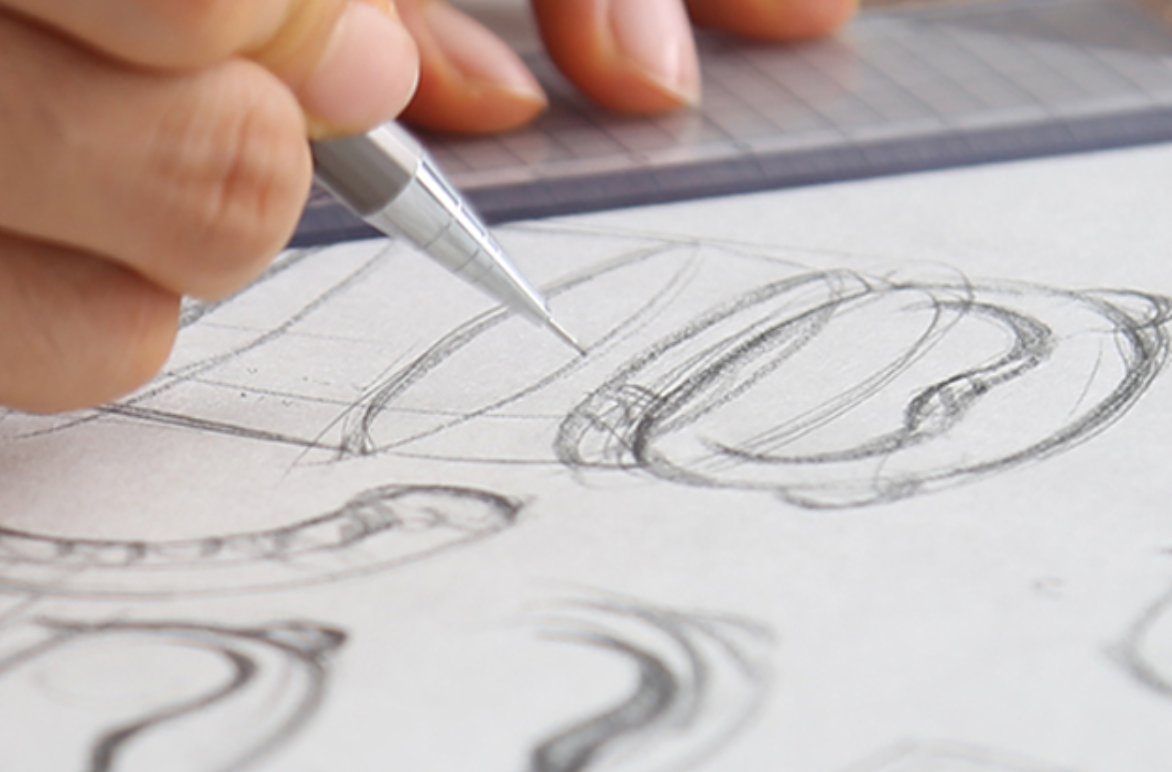
Manufacturing industries are experiencing changes in how companies develop and prepare new products. Shorter market cycles, increasing customisation demands, and improved digital communication methods are influencing product development strategies. Instead of waiting until late production stages to discover design issues, manufacturers are focusing on earlier cooperation between engineering teams and production partners.
Shorter Product Cycles Are Changing Manufacturing Strategies
Many industries now face faster product updates and changing customer requirements. Companies developing automotive parts, industrial equipment, electronics, and consumer products need flexible approaches to move ideas from concepts to production preparation.
The modern engineering and design process is no longer limited to creating drawings and transferring them directly to manufacturing teams. It now involves continuous communication, data sharing, and early evaluation between different departments. This change helps companies respond to market needs while managing development resources more effectively.
Digital Collaboration Creates New Product Development Models
Digital tools have changed how manufacturers communicate during product development. Engineering teams can share design information, review modifications, and discuss manufacturing requirements through connected digital platforms.
These tools support closer cooperation between designers, engineers, and manufacturers. When product information is available earlier, teams can make adjustments before production planning becomes more complicated. This approach allows businesses to improve decision-making and create a more organised development workflow.
The increasing use of digital systems has also influenced prototype development. Companies now view prototypes as part of an ongoing development process rather than a single step before manufacturing. They are used to support communication, review concepts, and align different teams around product goals.
Small-Batch Manufacturing Supports Market Testing
The growth of customised products has increased interest in small-batch manufacturing. Many companies prefer to evaluate market responses or internal requirements before investing in larger production volumes.
Small-batch production provides manufacturers with flexibility during early product stages. It allows businesses to adjust product details based on practical feedback and changing requirements. This approach is especially useful for industries where product updates occur frequently or where customer-specific designs are common.
CNC precision machining is one manufacturing method used to support these flexible production needs. Companies can produce accurate components based on digital designs while maintaining control over development schedules. This capability supports businesses that need practical manufacturing solutions before expanding production.
Design and Manufacturing Are Becoming More Connected
The relationship between product design and manufacturing has become closer in modern industries. Previously, engineering teams might complete designs before consulting production specialists. Today, manufacturers increasingly consider production conditions during earlier development stages.
A practical engineering and design process includes discussions about materials, production methods, assembly requirements, and cost considerations. Early communication between design and manufacturing teams helps identify possible challenges and improves the transition from concept preparation to production planning.
This shift does not mean limiting creativity during design. Instead, it allows companies to explore new ideas while considering how products can be manufactured efficiently. Better coordination between different teams can support smoother project progress.
Manufacturers Need More than Production Capacity
As product development becomes more complex, companies are paying greater attention to manufacturing partners’ technical support capabilities. Production capacity is important, but engineering communication, process experience, and development support also influence project results.
Honpe provides CNC precision machining and prototype manufacturing services for industrial customers. They have developed capabilities in prototype processing, surface treatment, and engineering support. Their R&D centre provides additional technical support for projects that require communication between design teams and manufacturing teams.
For businesses working with international development teams, a manufacturing partner that understands different project stages can provide practical support. This helps companies manage product changes and coordinate technical requirements more efficiently.
Skilled Manufacturing Supports Product Improvement
Although digital technologies continue to develop, practical manufacturing experience remains important during product development. Engineers often need manufacturing feedback to understand how design decisions affect actual production conditions.
Manufacturing experience can help companies evaluate material choices, processing options, and product structures. These considerations are especially valuable when businesses move from early concepts toward production preparation.
Honpe has experience supporting industrial customers with customised manufacturing requirements. Their team combines machining knowledge with prototype processing experience, helping clients review product concepts and prepare designs for future manufacturing stages.
Future Development Requires Flexible Manufacturing Approaches
The future of manufacturing will continue to focus on flexibility, cooperation, and faster response. Companies are looking for ways to reduce unnecessary development time while maintaining product quality and practical performance.
New product strategies increasingly combine digital communication with experienced manufacturing support. This combination allows businesses to manage changing requirements and create more adaptable development processes.
For manufacturers, prototype development has become an important part of evaluating ideas, improving communication, and preparing products before larger investments are made. The role of prototypes is expanding as companies seek more flexible ways to manage innovation.
Adapting to the New Product Development Environment
Modern manufacturing is moving toward a more connected development model where design, engineering, and production decisions influence each other earlier. Companies that adapt to these changes can manage product projects with clearer planning and better coordination.
The changing engineering and design process reflects how manufacturers are responding to shorter cycles, digital collaboration, and flexible production requirements. Through CNC machining, prototype support, and technical cooperation, Honpe assists industrial customers in managing development challenges. As manufacturing continues to evolve, prototype development will remain an important method for transforming product ideas into practical solutions.