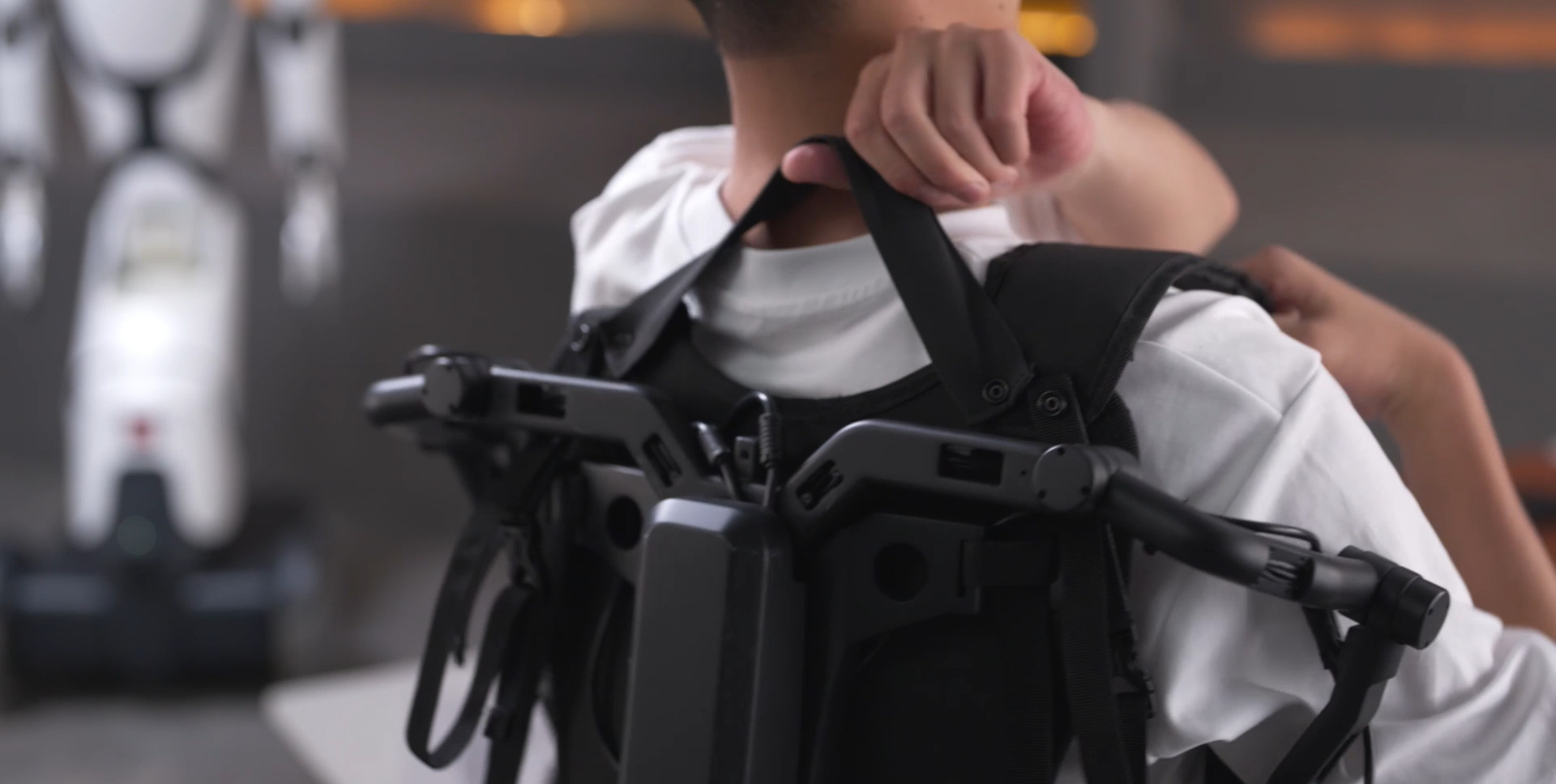
For robots to move beyond pre-programmed routines and become truly helpful partners, they must understand and interact with the world as humans do. This is where advanced AI perception converges with Embodied Intelligence, creating machines that learn from physical experience. Companies like Daimon are pioneering this integration, developing robotic systems that perceive depth, recognize objects, and navigate complex environments dynamically. The result is a new generation of robot services that are safer, more adaptable, and genuinely useful in both industrial and domestic settings.
Daimon’s Embodied Intelligence in Robotics
Embodied Intelligence represents a fundamental shift in robotic design. It posits that true intelligence emerges from the interaction between a body, a brain (AI), and the environment. Instead of relying solely on vast datasets, robots with Embodied Intelligence learn through sensorimotor feedback—touching, seeing, and manipulating objects to understand their properties. This allows them to handle unexpected situations, like adjusting grip strength for a fragile item or navigating around a suddenly appearing obstacle. The core principle is that perception guides action, and action refines perception, creating a continuous loop of adaptive learning and robust performance in unstructured spaces.
Robots with Integrated AI Perception
AI perception serves as the critical sensory layer for this intelligent embodiment. By fusing data from cameras, LiDAR, and tactile sensors, robots build a rich, real-time 3D understanding of their surroundings. They can distinguish between a person and a mannequin, predict the trajectory of a moving object, or assess the ripeness of fruit by its visual texture. Daimon’s approach to Embodied Intelligence robotics heavily invests in this multi-modal perception. Their systems use these advanced perceptual capabilities to make moment-to-moment decisions, enabling robots to perform delicate assembly tasks in manufacturing or safely assist an individual in a cluttered home, aligning with their goal of creating beneficial robotic companions.
Embodied Intelligence for Service Environments
In practical service environments, whether a busy hospital corridor, a retail warehouse, or a family kitchen, this synergy is transformative. A logistics robot with sophisticated AI perception and Embodied Intelligence doesn’t just follow a fixed path; it dynamically maps its space, identifies and avoids pedestrians, and gently places packages of varying sizes. In a consumer setting, a home assistant can perceive a spill on the floor, understand it as a hazard, and execute the appropriate physical action to clean it. This level of responsive and context-aware service reduces errors, increases operational efficiency for businesses, and builds user trust by demonstrating reliable, intelligent behavior in everyday scenarios.
Conclusion
AI perception is the essential sense that brings Embodied Intelligence to life, allowing robots to interpret and act upon the world’s complexity. This combination moves robotic services from automated to autonomous, capable of providing tangible value in dynamic human-centric environments. The focus on this integrated approach is what enables the development of robots that are not only intelligent but also practical and dependable partners. For organizations and individuals looking toward the future of robotic assistance, the advancements from innovators like Daimon highlight the path to more intuitive and beneficial human-robot collaboration.