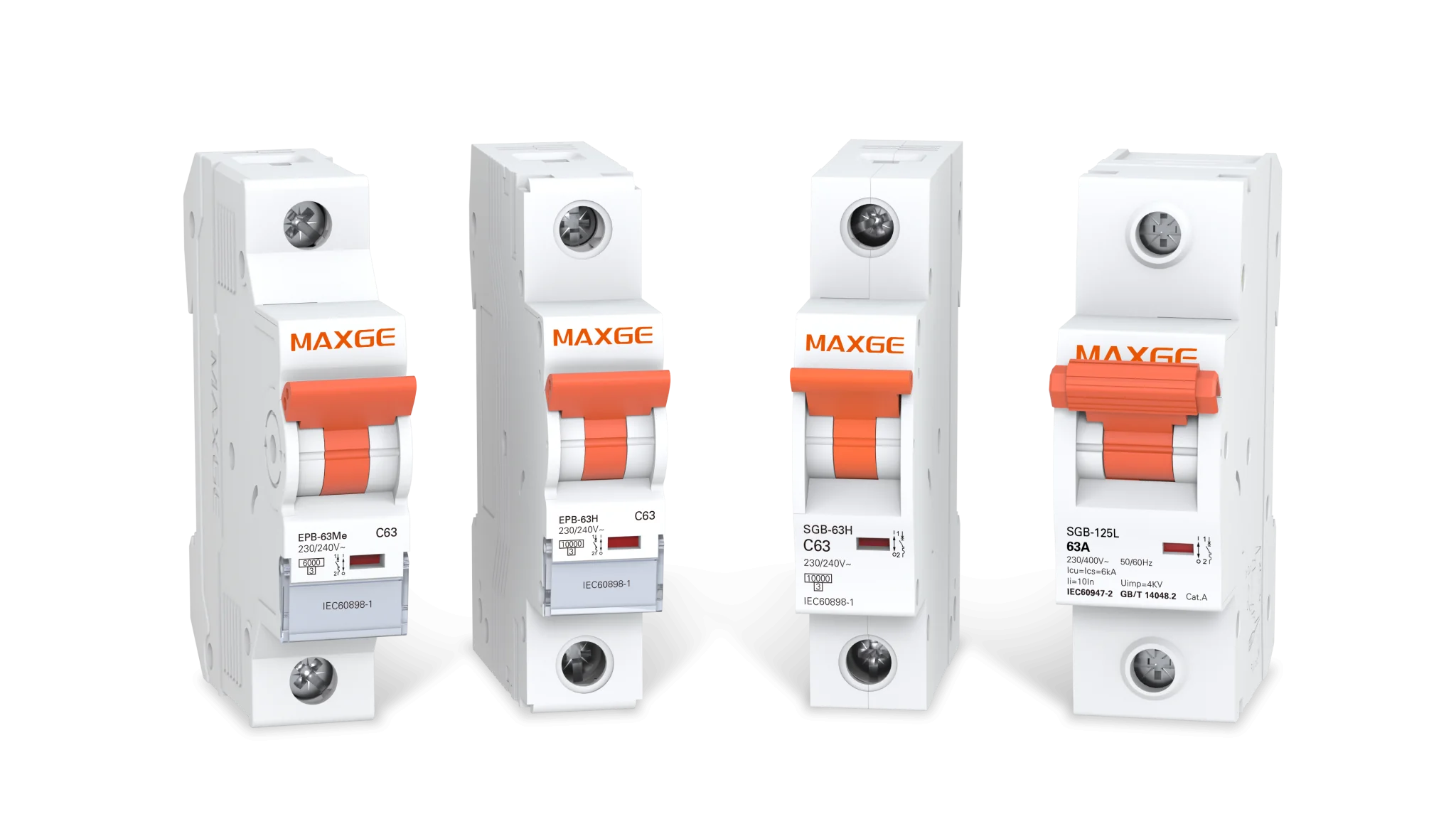
Repeated circuit breaker trips are more than an inconvenience. In residential, commercial, and industrial electrical systems, frequent trips can indicate overloads, short circuits, leakage currents, poor connections, or an incorrectly selected protective device. Understanding the cause is essential before replacing the breaker or increasing its rating.
For system designers, installers, and maintenance teams, selecting suitable electrical control products is equally important. A properly specified miniature circuit breaker, RCCB, or other protection device can help create a safer and more dependable electrical installation.
What Does a Repeated Circuit Breaker Trip Indicate?
A circuit breaker trips when its protection mechanism detects an electrical condition outside its intended operating range. The exact reason depends on the type of breaker and the characteristics of the fault.
One common cause is excessive current. When several high-power loads operate on the same circuit, the current can exceed the circuit’s designed capacity. A miniature circuit breaker responds to this condition by interrupting the circuit before excessive heat can damage conductors and connected equipment.
Short circuits are another possible cause. A damaged cable, loose conductor, or contact between energized conductors can produce a sudden increase in current. If a breaker trips immediately after being reset, the circuit should be inspected rather than repeatedly energized.
Ground leakage presents a different issue. This is where understanding the RCCB function becomes important.
Understanding the RCCB Function in Electrical Protection
An RCCB, or residual current circuit breaker, is designed to detect an imbalance between current flowing through the live and neutral conductors. When the difference exceeds its specified residual operating current, the device disconnects the circuit.
The RCCB function is particularly relevant where protection against residual current is required. Moisture, damaged insulation, aging wiring, or faulty appliances can cause leakage to earth and result in repeated RCCB operation.
An RCCB should not be viewed as a replacement for overcurrent protection. Its primary purpose is residual current protection, while a miniature circuit breaker is commonly used for overload and short-circuit protection. Using the appropriate combination of protective devices helps address different fault conditions within an electrical installation.
How Thermal Overload Protection Helps
Overload conditions can develop gradually rather than producing an immediate fault. For example, a circuit may supply multiple motors, heating devices, lighting systems, or other loads whose combined current exceeds the circuit rating.
This is where thermal overload protection plays an important role. In many miniature circuit breakers, a thermal mechanism responds to sustained overcurrent. As excessive current continues to flow, heat builds within the device and eventually causes the breaker to trip.
Consider a miniature circuit breaker 20 amp model. Its rating does not mean that any circuit can simply be upgraded to 20 amps. The appropriate rating must correspond to conductor size, installation conditions, load characteristics, and applicable electrical requirements. Installing a higher-rated breaker without verifying these factors can reduce the level of protection provided to the circuit.
Why Replacing the Breaker May Not Solve the Problem
When a breaker trips repeatedly, replacing it with another unit of the same rating may not address the underlying problem. The breaker could be operating correctly because it is detecting a genuine fault.
The first step should be to identify when the trip occurs. If it happens immediately when a particular piece of equipment starts, the equipment or its supply circuit may require inspection. If the trip occurs after several devices have been operating for some time, an overload may be involved. If an RCCB trips when equipment is exposed to moisture or during specific operating conditions, leakage current may be a possible cause.
Connections should also be checked by qualified personnel. Loose terminals, damaged insulation, inappropriate cable sizing, and poor installation practices can all contribute to abnormal electrical behavior.
Selecting Electrical Control Products for Reliable Installations
Choosing electrical control products requires more than comparing current ratings. Electrical characteristics, protection functions, installation requirements, operating conditions, and compatibility with the overall distribution system should all be considered.
MAXGE provides a range of electrical products for different electrical distribution and protection applications. When selecting a miniature circuit breaker or residual current protection device, users should verify the rated current, number of poles, tripping characteristics, residual current specifications where applicable, breaking capacity, and installation requirements.
Product documentation is especially important when equipment will be integrated into a larger electrical system. Clear technical specifications can help installers and engineers determine whether a device is suitable for the intended application.
When Should You Contact MAXGE?
If repeated trips continue after the obvious loads have been disconnected, professional inspection is recommended. It is also worth reviewing the protective device selection when designing a new distribution system, upgrading an existing installation, or replacing aging electrical equipment.
For product specifications, application information, and assistance in selecting suitable electrical control products, you can contact MAXGE. You can also review the available MAXGE products to compare protection and control solutions for different electrical applications.
Making Electrical Protection More Systematic
A circuit breaker that trips repeatedly is often providing useful information about the electrical system rather than simply causing a problem. Identifying whether the condition involves overload, short circuit, residual current, or another installation issue is an important starting point for effective troubleshooting. The cause should be assessed together with circuit loading, conductor capacity, protection settings, installation conditions, and the coordination of other protective devices.
The right electrical control products should therefore be selected according to the actual circuit requirements rather than the breaker rating alone. MAXGE develops low-voltage electrical solutions for residential, commercial, industrial, and distribution applications, covering protection needs from terminal circuits to broader power distribution. Its solutions also extend to electrical protection for PV, energy storage, and EV charging systems, where different operating conditions may require additional consideration of overcurrent, leakage, and system coordination.
MAXGE supports product development through its R&D team, patented technologies, software copyrights, and testing resources including CNAS-related laboratory capabilities and international certifications. Its Deqing and Wuhu manufacturing bases also use smart manufacturing and automated production, with more than 90% automation in production operations. When technical support, product selection, or application-specific protection requirements need further discussion, you can contact MAXGE for more information.