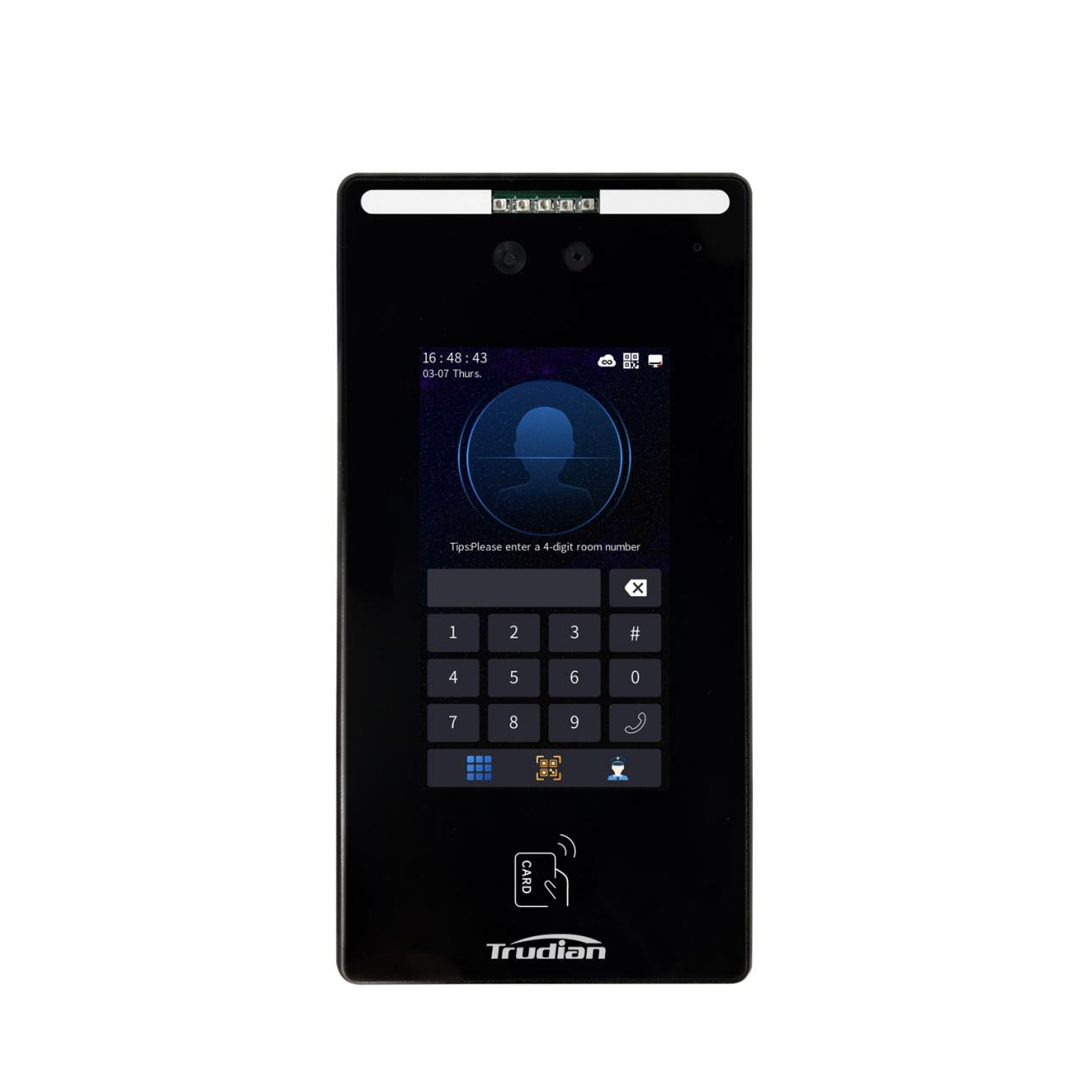
The security landscape for residential and commercial properties has been revolutionized by biometric technology. Moving past the vulnerabilities of traditional keys and easily forgotten PINs, the modern fingerprint security door lock manufacturer provides a highly secure, touchless, and convenient entry solution. For property managers, security integrators, and developers, knowing how to successfully integrate this technology is essential for enhancing property value and occupant security.
The question of “how to add fingerprint to door lock” encompasses two primary processes: the physical conversion of the door and the digital programming of user access. Choosing a reliable fingerprint home lock supplier, such as Trudian, is the foundational step that ensures both processes are efficient and the final installation is durable and integrated.
This guide details the steps for upgrading an existing door to a smart biometric lock, followed by the simple process of digitally enrolling users for streamlined access management.
Upgrading the Physical Door: Installation of Biometric Hardware
The first major step in adding fingerprint access is the physical transformation of the door itself. Unlike the complex wiring of perimeter access control, modern smart locks are designed for relatively straightforward replacement of existing mechanical deadbolts or handle sets.
The process begins with a meticulous Preparation and Measurement phase. The door’s dimensions, including the backset (the distance from the door edge to the center of the bolt), must be accurately measured to ensure the new smart lock body aligns perfectly with the existing boreholes. High-quality smart locks are typically built to international standards, but accurate measurement prevents modifications that could damage the door’s aesthetics or structural integrity.
Next comes the Removal of Existing Hardware. The old mechanical lock, including the deadbolt, latch, and internal/external handle sets, must be entirely removed. This leaves a clean foundation for the new components.
The core of the installation involves Mounting the New Lock Body and Latch. The latch or bolt mechanism of the smart lock is inserted into the door edge. The two primary smart lock components are then mounted: the exterior panel, which houses the fingerprint sensor and often a keypad, and the interior panel, which houses the batteries, the manual thumb-turn, and the control circuitry. The two panels are secured together using internal mounting screws that pass through the door. Because these locks are often battery-powered, complex wiring is minimized, simplifying the labor needed to retrofit doors across an entire property.
Digital Enrollment and User Access Management
Once the biometric hardware is physically installed, the “how-to” shifts from the mechanical to the digital: programming the device and securely enrolling user fingerprints. This ease of management is a core deliverable promised by any leading fingerprint home lock supplier.
The process begins with setting up the Administrator Credentials. Upon first power-up, the lock requires the setting of a master PIN or administrator fingerprint. This master credential is the sole key to accessing the programming menu, enabling the property manager or authorized personnel to add or remove other users. This segregation of access is vital for security and auditing purposes.
Next is the User Fingerprint Enrollment itself. The administrator uses the lock’s internal menu (accessed via the master PIN or through a connected mobile app) to initiate the enrollment of a new user. The user is then prompted to place their finger on the sensor multiple times, typically from different angles. This repeated scanning creates a comprehensive, encrypted digital map of the fingerprint pattern, ensuring high accuracy and rapid recognition during daily use. The process often takes only seconds per user.
Modern smart locks from a leading fingerprint security door lock manufacturer like Trudian enhance this management by offering multiple layers of access. In addition to biometrics, the system allows for the creation of unique PIN codes and the registration of RFID access cards, ensuring reliable entry even if a user’s finger is temporarily wet or injured.
The table below illustrates the comprehensive access redundancy offered by a modern Trudian smart lock system:
| Access Method | Core Security Feature | Primary Convenience Factor |
| Fingerprint Scan | Encrypted Biometric Mapping, Anti-Spoofing | Touchless, Fastest Entry |
| Unique PIN Code | Hidden Keypad Entry, Temporary Code Support | Backup Entry, Guest Access |
| RFID/IC Card | Encrypted Unique Credential | Quick Tap, Physical Credential Backup |
| Mobile Application | Remote Unlock, Real-Time Audit Log | Remote Access/Management |
Centralized Control and Future-Proof Security
Choosing a specialized manufacturer provides benefits that extend far beyond the door itself, focusing on centralized management and security resilience. This holistic approach is essential for large-scale operations.
The convenience of a biometric lock is exponentially increased when it offers Remote Management and Network Integration. IP-enabled smart locks can connect to a central hub via Wi-Fi or Bluetooth, allowing property managers to monitor lock status, review access logs, and remotely revoke user access via a mobile application. This capability is critical for rapidly managing tenant turnover or responding to security incidents without needing to visit each individual door.
Furthermore, a top-tier fingerprint home lock supplier designs products with Integrated Security Redundancy. Biometric failure is almost always compensated for by the inclusion of physical key overrides, alongside the aforementioned PIN and card options. This ensures that no resident or employee is ever locked out. The lock itself is built with robust materials to resist tampering and intrusion, complementing the digital security provided by the fingerprint recognition technology. By selecting locks from a fingerprint security door lock manufacturer that prioritizes both integration and resilience, property owners secure a solution that is durable, scalable, and manageable.
Conclusion
Adding fingerprint access to a door is a critical upgrade that modernizes security while maximizing user convenience. The transition involves a simple, step-by-step physical installation process followed by a quick, secure digital enrollment process that places the management of access directly in the hands of the property administrator. By partnering with an expert provider like Trudian, developers and security professionals ensure they are installing high-quality, feature-rich smart locks that deliver not just security, but an integrated, future-proof access solution for the entire property.